
Snoring might seem like a minor inconvenience, but for many, it’s a sign of obstructive sleep apnea (OSA), a condition that disrupts breathing during sleep and leaves you feeling drained the next day.
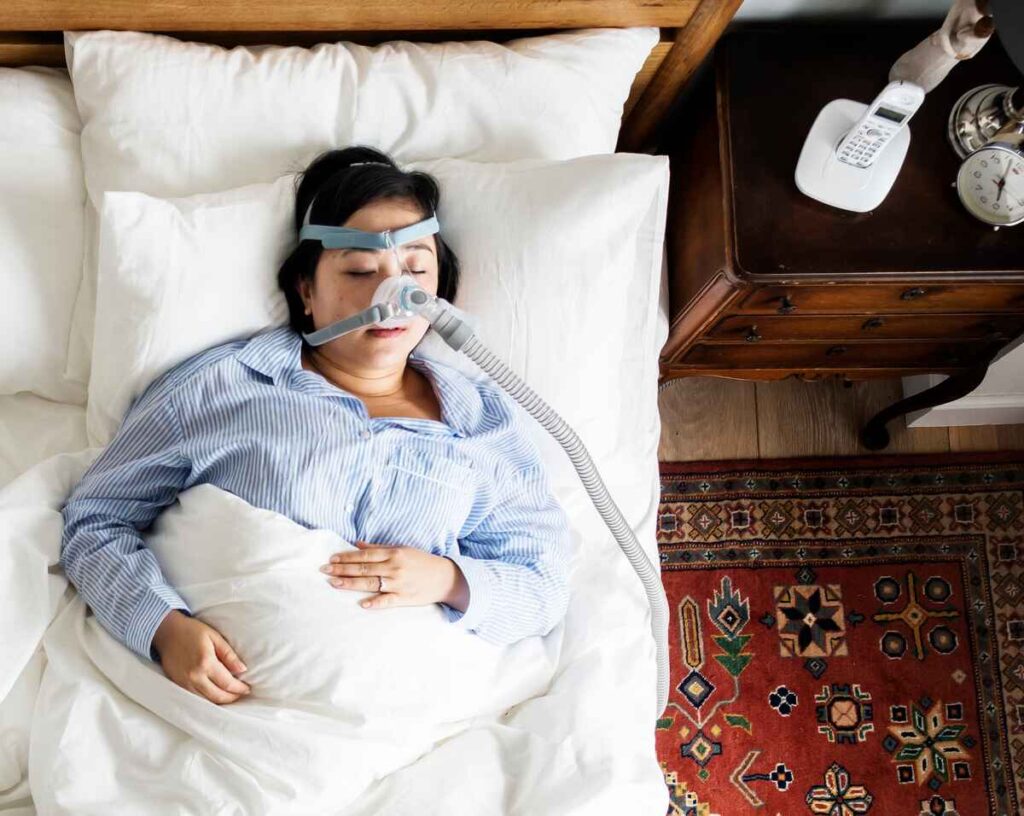
One of the most effective ways to manage OSA is with Continuous Positive Airway Pressure (CPAP) therapy, a device that gently delivers a steady stream of air to keep your airway open throughout the night.
Yet despite its proven results, CPAP therapy is often misunderstood. Myths about noise, discomfort, and dependence have persisted for years, discouraging many from even giving it a chance. These misconceptions can delay treatment, leaving OSA unmanaged and increasing long-term health risks like high blood pressure and heart disease.
To help you separate fact from fiction, we’re debunking five of the most common myths about CPAP therapy, so you can make informed decisions about your sleep and overall health.
Myth 1: CPAP Therapy Is Only for Severe Sleep Apnea
Many people believe CPAP therapy is only for those with severe Obstructive Sleep Apnea (OSA), but that isn’t the whole story. While it’s most commonly prescribed for moderate to severe cases, even individuals with mild sleep apnea can benefit.
Sleep apnea severity isn’t determined by how loudly you snore. What matters is how often your breathing stops during the night and how much your oxygen levels drop. Even mild OSA can disrupt sleep, increase daytime fatigue, and place stress on your heart over time.
The only way to know if CPAP therapy is right for you is through a professional sleep study in Malaysia. With expert evaluation, you’ll receive recommendations tailored to your condition.
Myth 2: CPAP Machines Are Too Loud and Uncomfortable
Older CPAP machines had a reputation for being bulky and noisy, but today’s devices are a far cry from those early models. Modern CPAP machines are compact and operate at sound levels as low as a soft whisper, allowing both you and your partner to sleep peacefully.
Comfort has also come a long way. There are several mask types to choose from: nasal masks that cover just the nose, full-face masks for mouth breathers, and nasal pillows that rest gently under the nostrils. Each option caters to different sleeping habits and comfort levels.
A proper mask fitting by a sleep specialist can make all the difference. At Sleeping Lab Malaysia, personalised fittings help ensure you get the right size, seal, and style for maximum comfort and adherence.
Myth 3: I’ll Get Dependent on the CPAP Machine
A common fear is that once you start using CPAP, you’ll become dependent on it. In reality, CPAP therapy isn’t addictive. It doesn’t alter your brain chemistry or create physical dependence; it simply keeps your airway open while you sleep.
Think of it like wearing glasses: they correct your vision when you need them, but don’t make your eyesight worse. Similarly, CPAP corrects the airway obstruction during sleep but doesn’t cause dependency.
In fact, most users report significant improvements after consistent use, like better energy, sharper focus, and reduced risk of heart problems.
Myth 4: CPAP Therapy Will Cure My Sleep Apnea Permanently
A common question many patients ask is: Can CPAP permanently cure sleep apnea?
The answer is no. CPAP is a highly effective treatment, but it doesn’t provide a permanent cure. It works only while in use, keeping your airway open throughout the night. Once the device is removed, airway obstructions can return.
While lifestyle adjustments, like losing weight, reducing alcohol intake, or changing sleeping positions, can help relieve symptoms, they may not completely eliminate the need for CPAP therapy.
Myth 5: CPAP Is the Only Treatment Option
While CPAP remains the most effective and widely recommended treatment for OSA, it isn’t the only option for those exploring how to treat their sleep apnea. For patients who struggle to adjust to CPAP therapy, alternative approaches include:
- Oral appliances (mandibular advancement devices): These reposition the lower jaw to keep the airway open.
- Positional therapy: Encourages side sleeping instead of lying on the back.
- Lifestyle changes: Managing weight, avoiding alcohol, and improving sleep hygiene can make a difference.
- Surgery: Considered for select cases where anatomical issues contribute to airway blockage.
Discussing these options with a qualified sleep specialist helps identify the best treatment for your obstructive sleep apnea (OSA).
Take the Next Step Toward Better Sleep
CPAP therapy, when guided by a sleep professional, can transform your quality of life. From restoring daytime energy to improving long-term heart health, the benefits extend far beyond a good night’s rest.
As a renowned sleep clinic in Malaysia backed by professionals with years of experience and expertise, Sleeping Lab offers comprehensive diagnostic services, CPAP titration, personalised mask fittings, and continuous support to help you adapt comfortably to therapy.
Book a consultation with us today to explore tailored sleep solutions designed to help you breathe easier and sleep better, night after night.