Snoring Solutions: When Snoring is More Than Just Noise
Snoring can disrupt sleep, strain relationships, and sometimes signal an underlying sleep disorder, such as obstructive sleep apnea.
Understanding the cause is the first step toward finding an effective solution.
Is Snoring Normal?
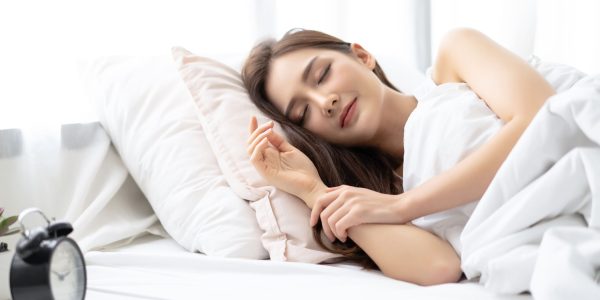
Occasional, light snoring can be harmless.
However, loud, chronic snoring is not normal as it may indicate an airway obstruction.
When Snoring Shouldn’t Be Ignored
You should address snoring if you experience these signs:
- At night: Breathing pauses, gasping, choking
- In the day: Fatigue, headaches, irritability
If these sound familiar, consider getting a sleep assessment to identify the cause.
The Link Between Snoring and Obstructive Sleep Apnea
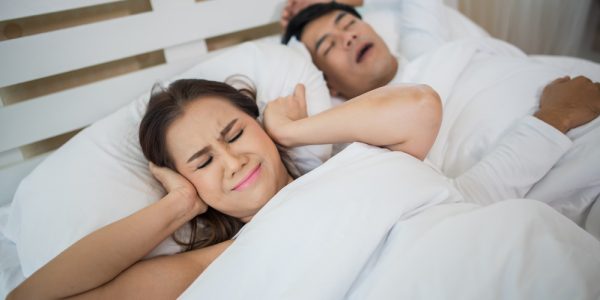
Snoring is a sign of partial airway blockage. Meanwhile, obstructive sleep apnea involves a repeated airway collapse during sleep.
Not all snorers have sleep apnea, but most people with obstructive sleep apnea snore.
The only way to know for sure is through proper sleep testing.
How We Assess Snoring at Sleeping Lab
At Sleeping Lab, we identify the root cause of your snoring through a thorough diagnostic process:

Symptom review
We understand your snoring patterns and sleep concerns through a comprehensive consultation.
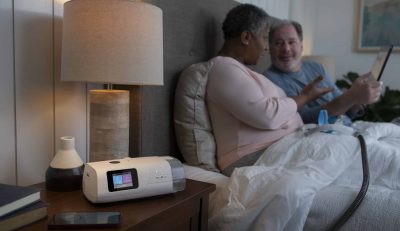
Home sleep test
A simple, overnight sleep test (Level III Polysomnography) done in your own bed to monitor breathing and oxygen levels.
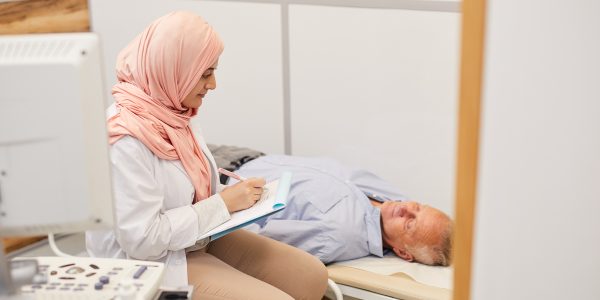
Results and guidance
We explain whether the snoring is linked to sleep apnea and identify appropriate solutions.
How CPAP Therapy Can Reduce Snoring
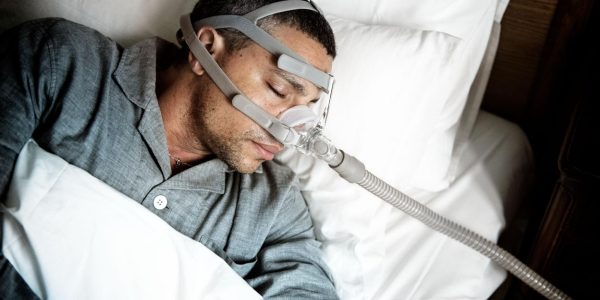
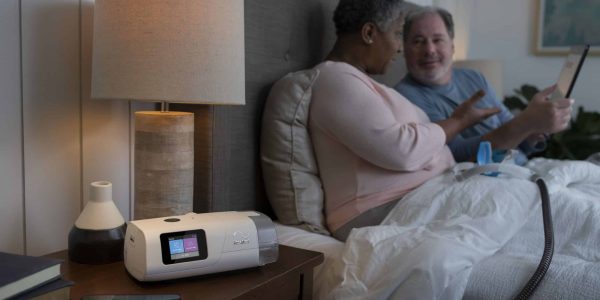
Continuous Positive Airway Pressure (CPAP) therapy treats snoring caused by obstructive sleep apnea through a device that maintains a constant flow of pressurised air into your airway.
It works by:
- Keeping the airway open during sleep
- Preventing airway collapse and vibration
- Eliminating snoring and breathing pauses
Sleeping Lab specialises in providing CPAP therapy solutions for snoring related to obstructive sleep apnea.
Many individuals notice an improvement from the first night when therapy is properly set up.
Understanding Other Approaches to Snoring
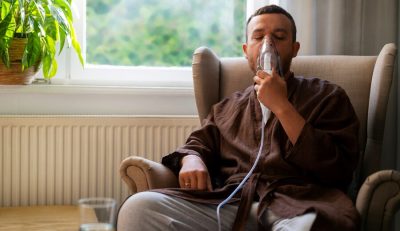
As snoring can have different causes, other options may also be viable:
- Lifestyle changes: Changes to sleep position and diet may alleviate mild snoring but are often insufficient for obstructive sleep apnea.
- Oral appliances: Dental anti-snoring devices used in selected mild cases under specialist care.
- Medical procedures or surgery: Considered only under specialist referral in specific sleep apnea snoring cases.
Note: These options are shared for general understanding only. Sleeping Lab only provides home sleep tests (Level III Polysomnography) and CPAP therapy.
Common Symptoms, Causes & Diagnosis of Problematic Snoring
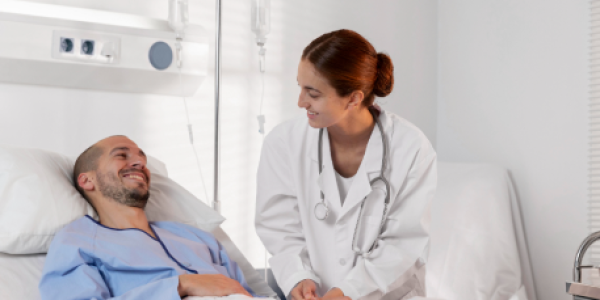
Identifying the characteristics and triggers of your snoring is the first step toward finding the right treatment. A systematic evaluation helps pinpoint the underlying cause.
Symptoms to Watch Out For
If you notice any of the following symptoms, it may indicate problematic snoring or a related sleep disorder:
- Gasping or choking sounds during sleep
- Loud, persistent snoring night after night
- Morning headaches or dry mouth
- Excessive daytime sleepiness or irritability
- Difficulty focusing or mood swings
What Causes Snoring
Snoring occurs when airflow is partially blocked, causing tissues in the throat to vibrate. Common causes include:
- Relaxed throat muscles during sleep
- Nasal congestion or blockages
- Excess weight or thick neck tissue narrowing the airway
- Alcohol consumption or sedatives that relax throat muscles
- Enlarged uvula, tonsils, or soft palate interfering with airflow
How Snoring is Diagnosed
At Sleeping Lab, a thorough diagnostic process ensures the root cause of snoring is identified. This includes:
- Physical and ENT Evaluation: A thorough examination of the nose, mouth, palate, and airway.
- Sleep Questionnaires: Detailed forms to assess your sleep history, symptoms, and lifestyle factors.
- In-Clinic or Home-Based Sleep Studies: An overnight sleep study (polysomnography) is the definitive method for analysing breathing patterns and diagnosing sleep apnea.
- Airway Obstruction Assessment: In some cases, imaging or endoscopy may be used to identify the specific site of airway obstruction.
Anti-Snoring Devices That Actually Work
For many individuals, anti-snoring devices prescribed by a healthcare professional offer a non-invasive treatment option. It is important to differentiate between over-the-counter products and medically prescribed devices. At Sleeping Lab, we provide solutions that are based on clinical evidence and designed for your specific diagnosis.
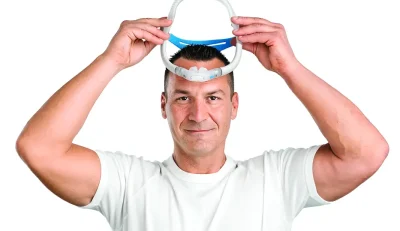
Oral Appliances (Mandibular Advancement Devices)
A Mandibular Advancement Device (MAD) is a custom-made mouthpiece that is one of the leading non-surgical snoring solutions. It is designed to be worn comfortably while you sleep.
- How it Works: Gently moves the lower jaw forward to keep the airway open and prevent tissue vibration.
- Pros: Highly effective, silent, portable, and non-invasive.
- Cons: Requires professional fitting; may cause temporary jaw discomfort.
Nasal Dilators and Breathing Aids
Nasal dilators are simple devices designed to improve airflow through the nasal passages. They come as either external strips that stick to the outside of the nose or internal dilators that fit inside the nostrils.
- How it Works: External strips or internal dilators physically hold the nostrils open to improve nasal breathing.
- Pros: Inexpensive and widely available.
- Cons: Does not treat snoring originating from the throat, nor does it address sleep apnea.
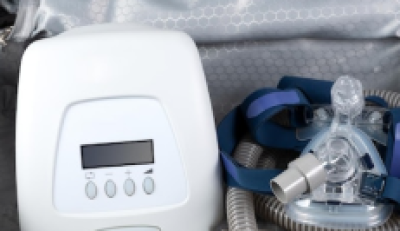
CPAP Machines for Sleep Apnea
Continuous positive airway pressure (CPAP) therapy is one of the most effective solutions for treating obstructive sleep apnea (OSA) and the associated snoring.
- How it Works: Delivers a continuous stream of pressurised air through a mask, keeping the airway open and preventing both snoring and breathing pauses.
- Pros: The most effective method for eliminating sleep apnea and its associated snoring.
- Cons: Can be cumbersome for some users as requires nightly use and regular cleaning.
Laser Treatment for Snoring (Non-Invasive Option)
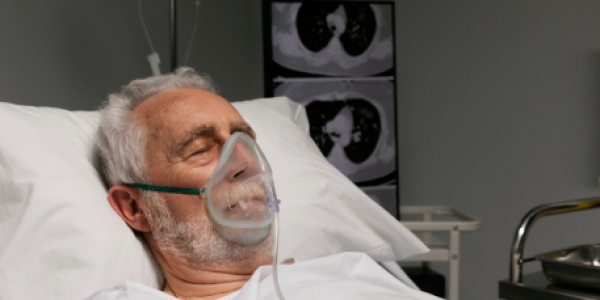
For individuals seeking a non-invasive procedure, laser treatment for snoring offers a modern and effective solution. This treatment, known as laser-assisted uvulopalatoplasty (LAUP), uses targeted laser energy to gently heat and stiffen the tissues of the soft palate. This process reduces the vibrations that cause snoring.
Key benefits of this procedure include:
- It is an in-clinic procedure associated with minimal discomfort.
- There is typically no required downtime, allowing for a resumption of normal activities.
- Some patients report a reduction in snoring after the initial session.
A full course of treatment typically involves 2-3 sessions, spaced several weeks apart, to achieve the optimal result.
Sleep Apnea & Surgical Solutions
When non-surgical treatments are not sufficient, a structural correction of the airway may be explored.
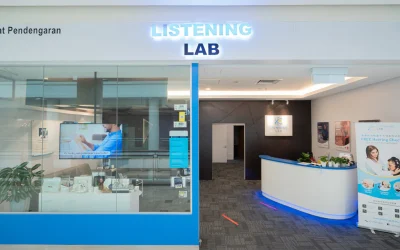
When Is Surgery Recommended for Snoring?
Surgery is typically recommended if non-invasive methods like CPAP or oral appliances are ineffective or not tolerated by the patient. It is also a primary option if a physical examination reveals a clear anatomical blockage, such as enlarged tonsils or a deviated septum, that can be surgically corrected.
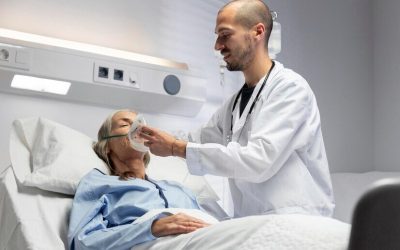
Common Surgical Options
Several surgical procedures are available to address the physical structures that contribute to snoring and sleep apnea. The specific surgical procedure depends on the location of the obstruction.
- Uvulopalatopharyngoplasty (UPPP): Removes excess tissue from the soft palate and uvula to open the back of the throat.
- Septoplasty: Straightens a deviated septum to improve airflow through the nose.
- Tonsillectomy and Adenoidectomy: Removes enlarged tonsils and/or adenoids that are blocking the airway.
- Radiofrequency Ablation: Uses energy to shrink and stiffen tissues in the soft palate or tongue, reducing the vibrations that cause snoring.
Why Choose Sleeping Lab for Snoring Concerns?
A trusted sleep clinic in Malaysia, such as Sleeping Lab, can make all the difference in achieving lasting relief for snoring.
Here’s what sets us apart:
- Home-based sleep testing: We specialise in providing convenient home-based diagnostics to lead our approach to snoring relief.
- CPAP therapy with ongoing support: We provide continuous assistance to help you reduce snoring comfortably and sustainably.
- Clear explanations: Through straightforward communication, we ensure you understand your condition without confusing medical jargon.
- Backed by The Listening Lab: Our services are supported by the expertise and reputation of our sister brand.
Concerned About Snoring?
Understanding the cause is the first step toward quieter nights and better sleep.



Frequently Asked Questions about Snoring Solutions
No, not all snores are created equal. While snoring is a key symptom of sleep apnea, it can also be caused by less severe issues like nasal congestion or the anatomy of your mouth. However, because loud and chronic snoring is a strong indicator of sleep apnea, a professional evaluation is always recommended.
Yes, clinically-approved anti-snoring devices like CPAP machines are designed for safe, long-term nightly use. It is crucial they are prescribed and fitted by a healthcare professional to ensure they are effective and do not cause side effects like jaw discomfort.
The "most effective" device is the one that is most suitable for your specific diagnosis. For individuals with moderate to severe sleep apnea, CPAP therapy is often the most effective solution.
Meanwhile, for individuals with mild snoring, a custom-fitted Mandibular Advancement Device (MAD) can also be effective.