CPAP Therapy in Malaysia for Sleep Apnea
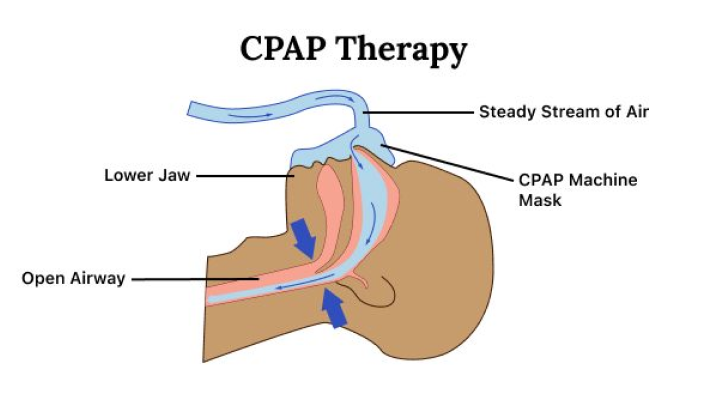
Continuous Positive Airway Pressure (CPAP) therapy uses a machine to provide a gentle stream of pressurised air to keep your airways open as you sleep, preventing the symptoms of sleep apnea and helping patients achieve better rest.
What is CPAP Therapy and How Does It Work?
CPAP therapy is a proven treatment for obstructive sleep apnea and snoring. At Sleeping Lab, we focus on helping you adapt comfortably, not just prescribing a device. Many people are surprised by how much better they feel once therapy is properly set up.
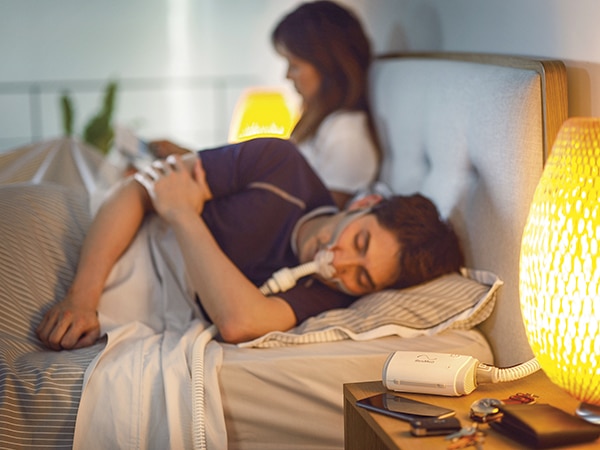
A CPAP (Continuous Positive Airway Pressure) device helps keep your airway open while you sleep by delivering a gentle, steady flow of air through a mask.
This prevents the breathing pauses that disrupt sleep and strain your body overnight.
It’s non-invasive, adjustable, and designed to work quietly in the background while you rest.
How CPAP Machines Can Improve Your Sleep and Your Day
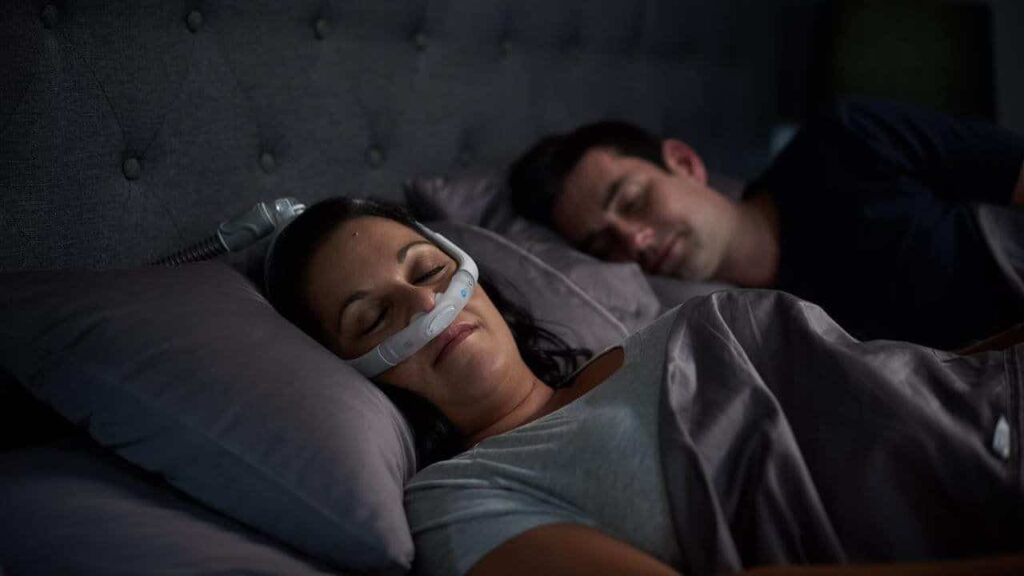
With consistent use, many patients notice:
- Deeper, More Restorative Sleep: Fewer interruptions from breathing pauses.
- Reduced Snoring: Better sleep for you and your partner.
- More Energy During the Day: Less daytime fatigue and brain fog.
- Long-Term Health Protection: Reduced strain on the heart and cardiovascular system.
Better sleep isn’t just personal, it often improves relationships too.
Is CPAP Therapy Right For You?
CPAP therapy is most commonly recommended for individuals with moderate to severe sleep apnea.
However, treatment is never one-size-fits-all.
- Not everyone requires CPAP
- Comfort and lifestyle matter
- Adjustments are part of the process
If CPAP is recommended, it’s because it offers the best balance of effectiveness and long-term benefit for your specific condition.
Why CPAP Is The First-Line Treatment for Sleep Apnea
Choosing the right positive airway pressure device depends on your sleep patterns, breathing needs, and comfort.
CPAP is the most commonly prescribed and evidence-backed first-line treatment for obstructive sleep apnea.
In certain complex cases, other devices may be considered under specialist care. Our focus is on providing CPAP therapy with proper support, and guiding referrals when appropriate.
|
Device |
Pressure Delivery |
Best For |
|
CPAP |
Delivers a single, constant pressure level throughout the night. |
Most common and effective for standard Obstructive Sleep Apnea (OSA). |
|
APAP |
Automatically adjusts pressure within a set range to meet your changing breathing needs. |
Ideal for individuals whose pressure needs vary throughout the night or when their sleeping position changes. |
|
BiPAP |
Delivers two distinct pressure levels: a higher one for inhalation (IPAP) and a lower one for exhalation (EPAP). |
Prescribed for more complex cases of sleep apnea or respiratory issues, as it makes breathing feel more natural and comfortable. |
Device selection depends on clinical assessment. Not all devices are suitable or necessary for every individual.
Common Concerns When Starting CPAP Therapy
Starting CPAP can feel unfamiliar at first. Most challenges are temporary and manageable with the right support.
Mask Discomfort
Finding the right mask makes a big difference. Different styles and sizes are available, and adjustments are normal.
Air Leaks
Small adjustments usually solve this. Regular checks help maintain comfort and effectiveness of your CPAP machine.
Dryness
Humidification and simple setting changes often resolve dryness quickly.
Anxiety or Claustrophobia
Many people adapt gradually by easing into CPAP therapy. Comfort comes with time and guidance.
1. Mask Discomfort or Irritation
- Issue: Mask discomfort is one of the most common challenges, which can include pressure sores, red marks, skin irritation, or a mask that doesn’t fit properly.
- Solutions:
- Choose the Right Mask: Try different types of masks (nasal, nasal pillows, or full-face masks) to find the most comfortable fit.
- Proper Fit: Recheck both mask fit and headgear tension to make sure the mask is snug but not too tight against your face. Consult with your CPAP supplier for proper fitting.
- Use Nasal Pads: Consider using nasal pads to reduce skin irritation. You stick the transparent pads to the bridge of your nose before putting on your mask to prevent the silicone cushion from coming into direct contact with your skin. The pads are simple and painless to apply and take off and they’ll protect the bridge of your nose while you sleep.
- Use a memory foam cushion: If you have sensitive skin, a memory foam cushion can be a good alternative to a standard silicone design. The soft, breathable memory foam feels light against the skin and molds the unique contours of your face while you sleep.
CPAP Therapy With Ongoing Support
CPAP therapy works best when you’re supported beyond the first night.
At Sleeping Lab, we provide:
Personalised setup and fitting
Regular check-ins and adjustments
Local hands-on support
Guidance to help you stay comfortable long-term
Our goals isn’t just compliance, it’s helping you sleep better consistently.
Frequently Asked Questions About CPAP Therapy and Machines
A Continuous Positive Airway Pressure (CPAP) machine is a device that delivers a constant stream of pressurised air through a mask. This airflow acts as an "air splint," keeping your airway open throughout the night to prevent the breathing pauses associated with sleep apnea
CPAP therapy provides a reliable way to manage sleep apnea, preventing breathing interruptions and snoring. This allows you to achieve deeper, more restorative sleep, which in turn combats daytime fatigue, improves your energy levels and lowers your risk of related health complications.
While some people may find it challenging to adjust to wearing a mask at first, CPAP therapy is not inherently uncomfortable. The key is to find the right mask and a proper fit, as well as to use features like a humidifier to address any dryness. With time and patience, most people get used to their machine and find it comfortable for nightly use.
The side effects of using a CPAP machine are typically mild and manageable. The most common issues include a dry nose or throat, nasal congestion or skin irritation from the mask. These can often be resolved by adjusting the humidifier settings or mask fit.
CPAP therapy is a long-term solution for OSA and snoring, and it is most effective when used nightly for the entire duration of your sleep. Consistent use helps manage your sleep apnea symptoms and prevents them from returning.
No, CPAP therapy is not a type of oxygen therapy. A CPAP machine uses regular room air to keep your airway open. While it improves oxygen saturation by preventing breathing pauses, it does not add supplemental oxygen.
A BiPAP machine is typically prescribed for more complex cases of sleep apnea. You should not use a BiPAP machine instead of a CPAP machine unless it has been recommended by a sleep specialist or doctor.
Proper maintenance is crucial for the effectiveness and longevity of your device. You should clean your mask daily, wash the tubing weekly and regularly replace the air filter as recommended by the manufacturer.