Obstructive Sleep Apnea (OSA)
Causes, Symptoms & Treatment
Do you wake up feeling tired even after a full night’s sleep?
Do you snore loudly or feel exhausted during the day?
These could be signs of Obstructive Sleep Apnea (OSA) – a common sleep disorder where breathing repeatedly stops and starts during sleep.
The good news: OSA is diagnosable and manageable, and many people feel significantly better once it’s properly treated.
What is Obstructive Sleep Apnea (OSA)?
Obstructive sleep apnea occurs when the muscles in your throat relax too much during sleep, causing your airway to partially or completely collapse.
This leads to repeated breathing pauses, drops in oxygen levels, and fragmented sleep without you realising it.
Unlike central sleep apnea, OSA is a physical blockage, and each pause can last 10 seconds or longer, repeating many times per night.
Common Signs and Symptoms of Obstructive Sleep Apnea
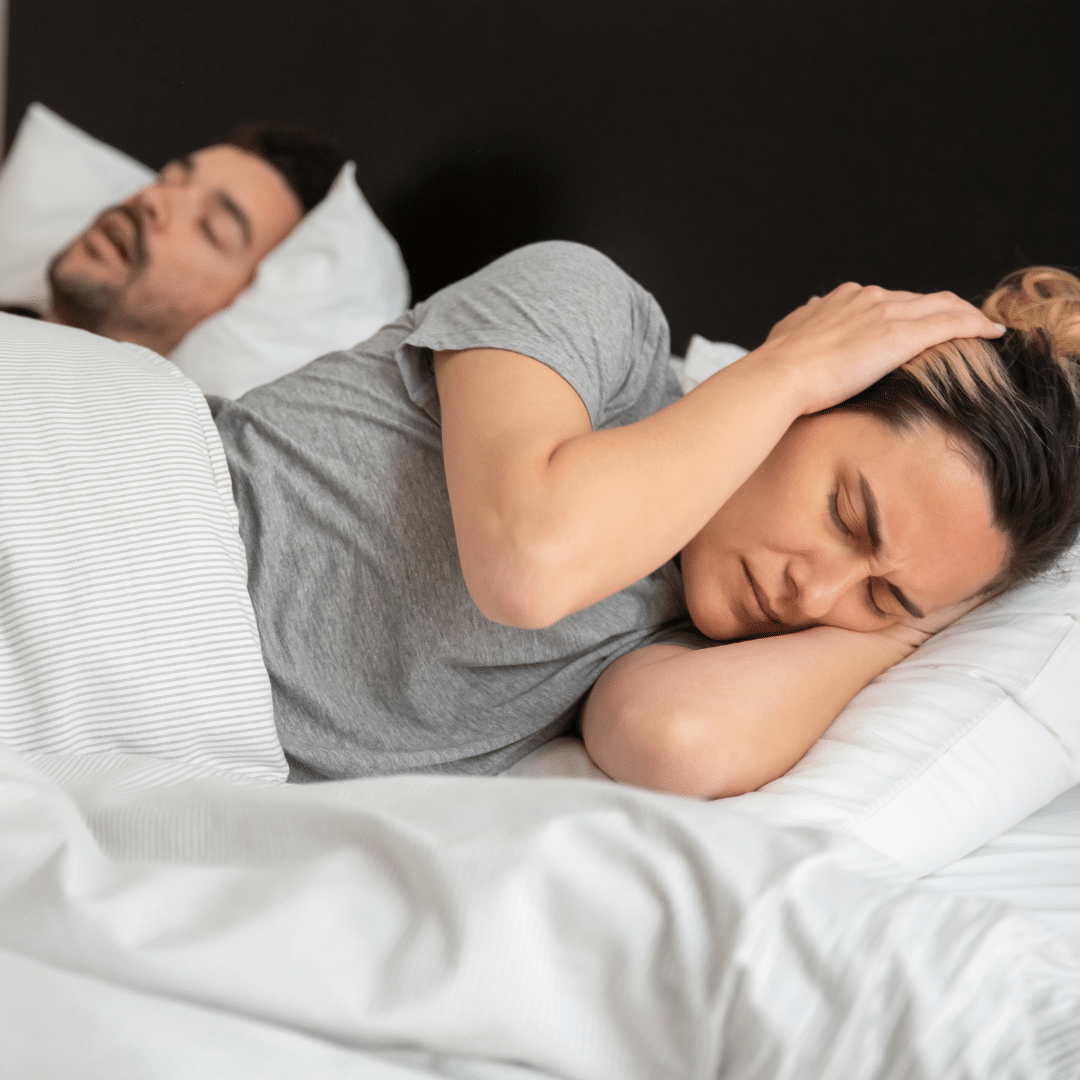
Many symptoms of OSA happen while you’re asleep, so they’re often noticed by a partner first.
Your partner may notice:
- Loud or frequent snoring
- Gasping, choking, or breathing pauses during sleep
- Restless or disturbed sleep
You may notice:
- Feeling tired or unrefreshed despite enough sleep
- Daytime sleepiness or poor concentration
- Morning headaches
If several of these sound familiar, a sleep apnea test can help identify the cause.
Common Causes of Obstructive Sleep Apnea
- Excess weight: Extra tissue around the neck can narrow the airway.
- Neck and airway anatomy: A naturally narrow airway or a larger neck circumference.
- Nasal or facial structure issues: Upper airway or facial abnormalities, such as a deviated septum.
- Genetics: A family history of OSA and being male can increase risk.
- Lifestyle: Alcohol and smoking can relax airway muscles, leading to airway collapse.
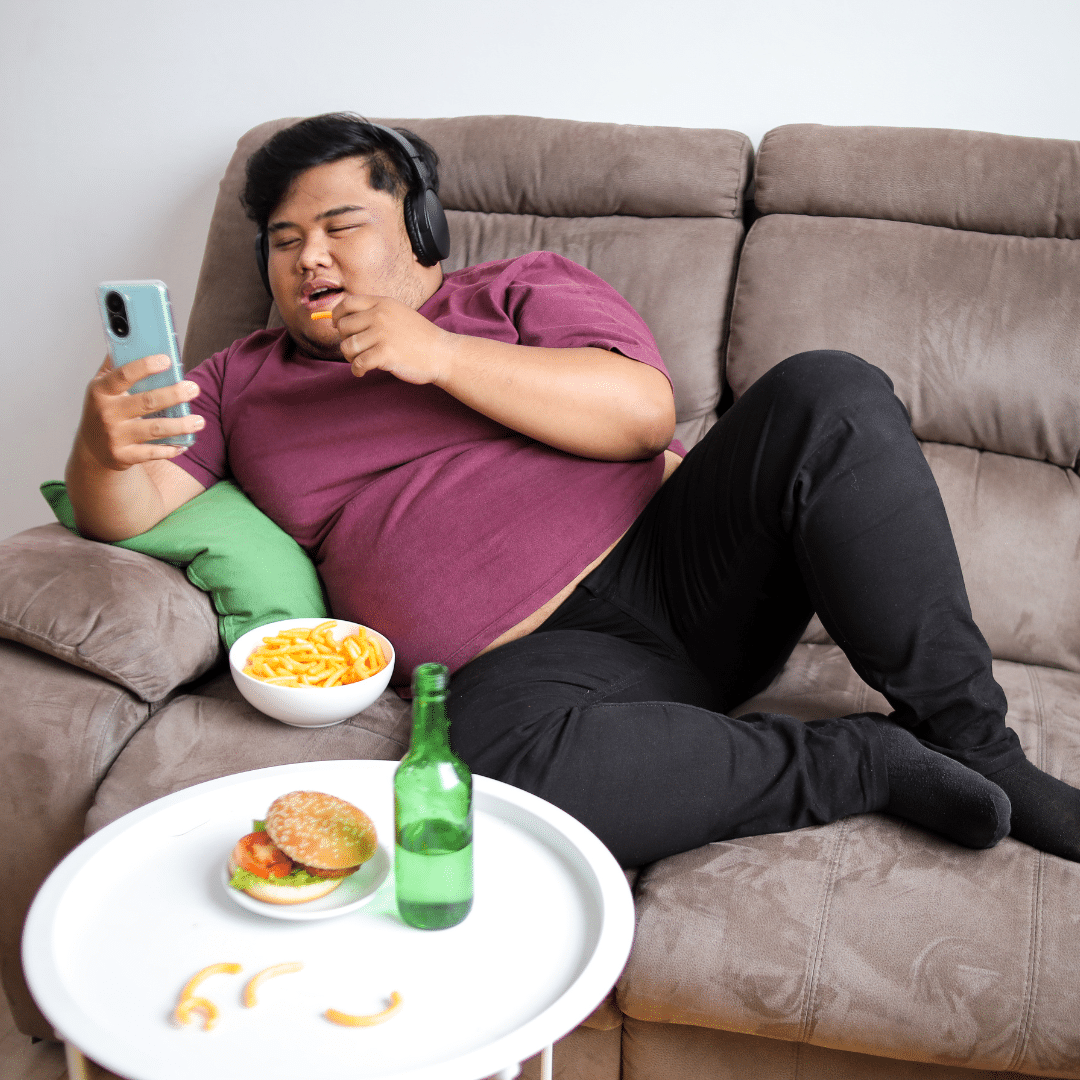
Why Treating Obstructive Sleep Apnea
is Important?
Untreated obstructive sleep apnea (OSA) doesn’t just affect your sleep, but impacts your long-term health.
The repeated drops in oxygen levels place strain on your heart and body, increasing the risk of:
- High blood pressure
- Heart disease and stroke
- Type 2 diabetes
- Ongoing fatigue and mood changes
Therefore, treating OSA is essential to improve sleep quality, daytime energy, and overall well-being.
How OSA Is Diagnosed
At The Sleeping Lab, diagnosis begins with a home sleep apnea test (Level III Polysomnography) designed to be comfortable and simple.
Here’s how it works:

Consultation
We begin with a detailed consultation to discuss your symptoms and medical history.
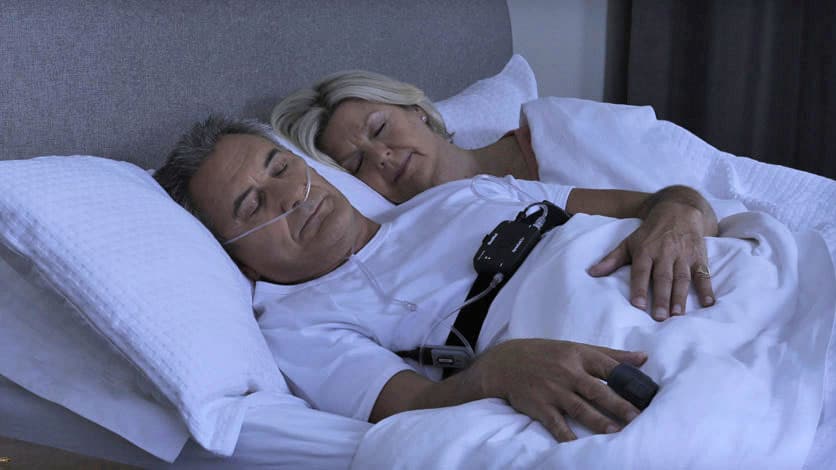
Home Sleep Test
We conduct an overnight polysomnography to monitor your breathing, oxygen levels, and other vital signs.
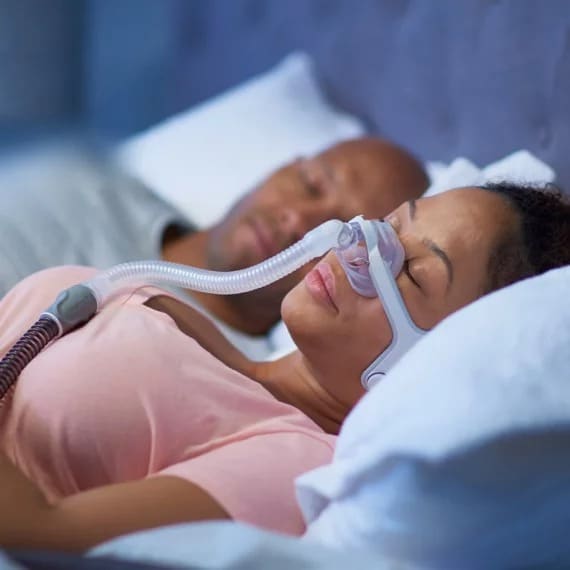
CPAP Therapy
Our specialists analyse the results to develop a tailored treatment plan just for you.
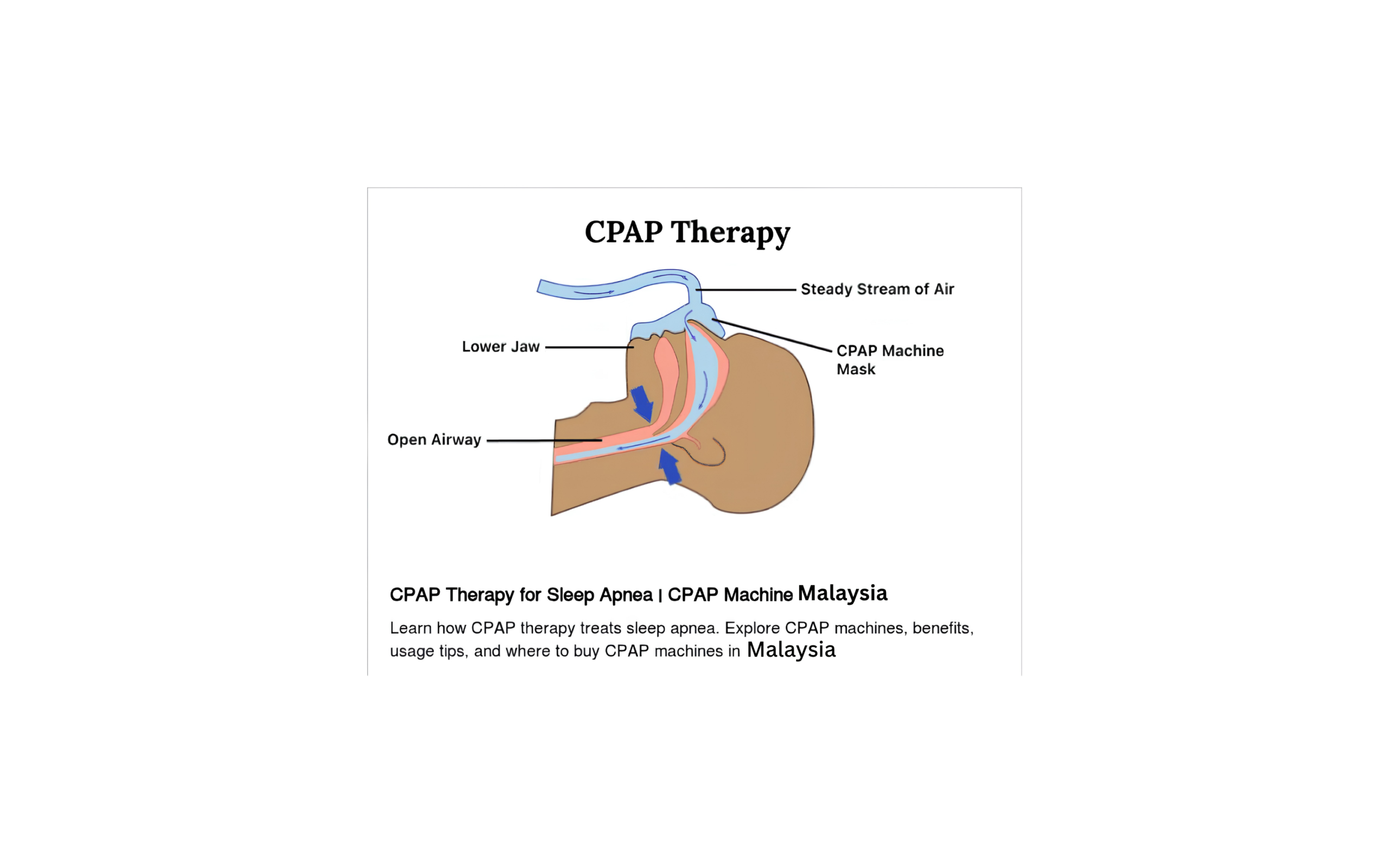
Treatment Options for Obstructive Sleep Apnea
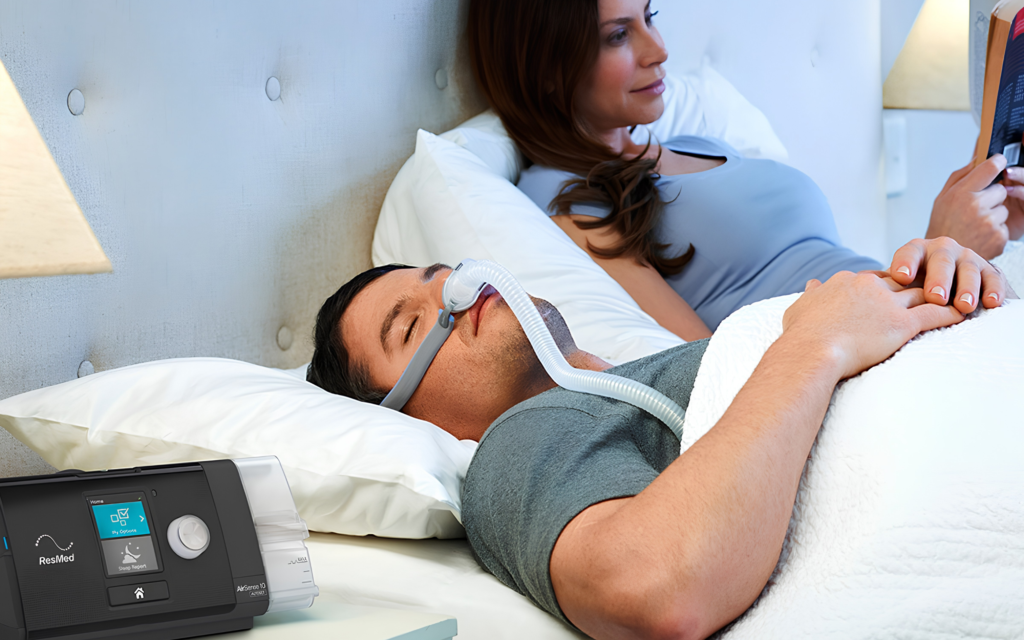
CPAP therapy is the most effective and commonly recommended treatment for moderate to severe OSA.
It keeps the airway open during sleep using a gentle stream of air delivered by a mask connected to a machine, preventing breathing pauses.
At Sleeping Lab, we focus on offering CPAP therapy with proper setups and ongoing support.
When to Seek Specialist Help
If you are experiencing any of the following symptoms, seeking a professional consultation at a sleep clinic in Malaysia is a practical step toward an accurate diagnosis and effective treatment:
- Observing frequent breathing pauses during sleep
- Experiencing excessive drowsiness or falling asleep while driving
- Managing persistent high blood pressure that is difficult to control
Other options for treating sleep apnea include:

Lifestyle Changes
Weight management, sleep position changes, and alcohol reduction can support treatment. However, they are rarely sufficient alone.
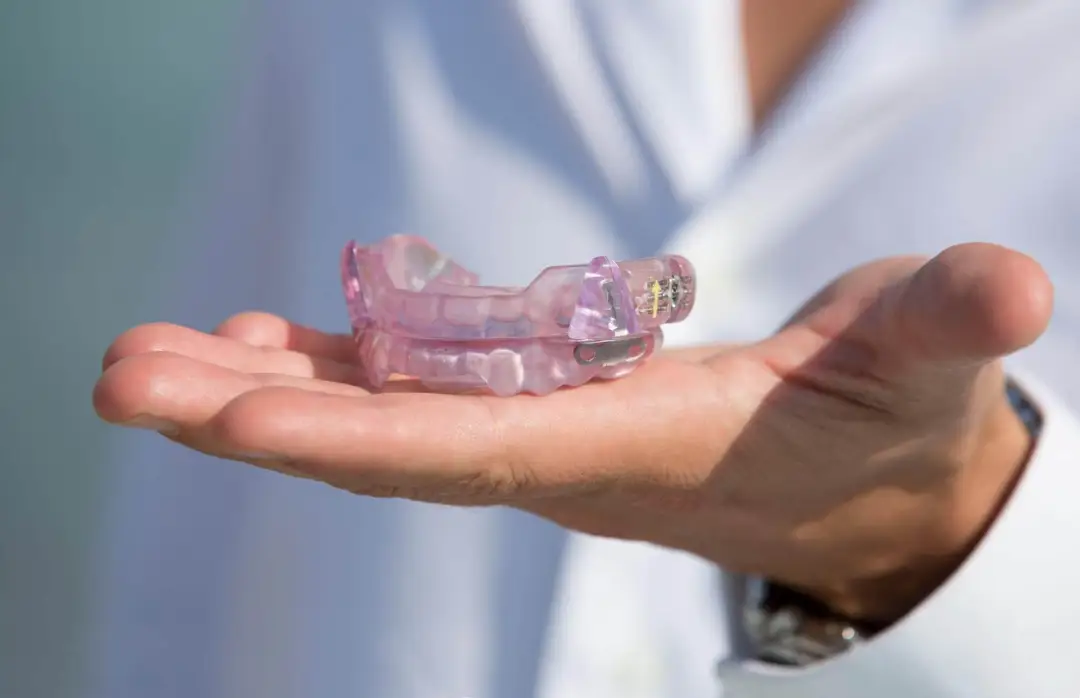
Oral Appliances & Snoring Devices
These are prescribed under dental or specialist care and may be suitable for mild OSA cases.
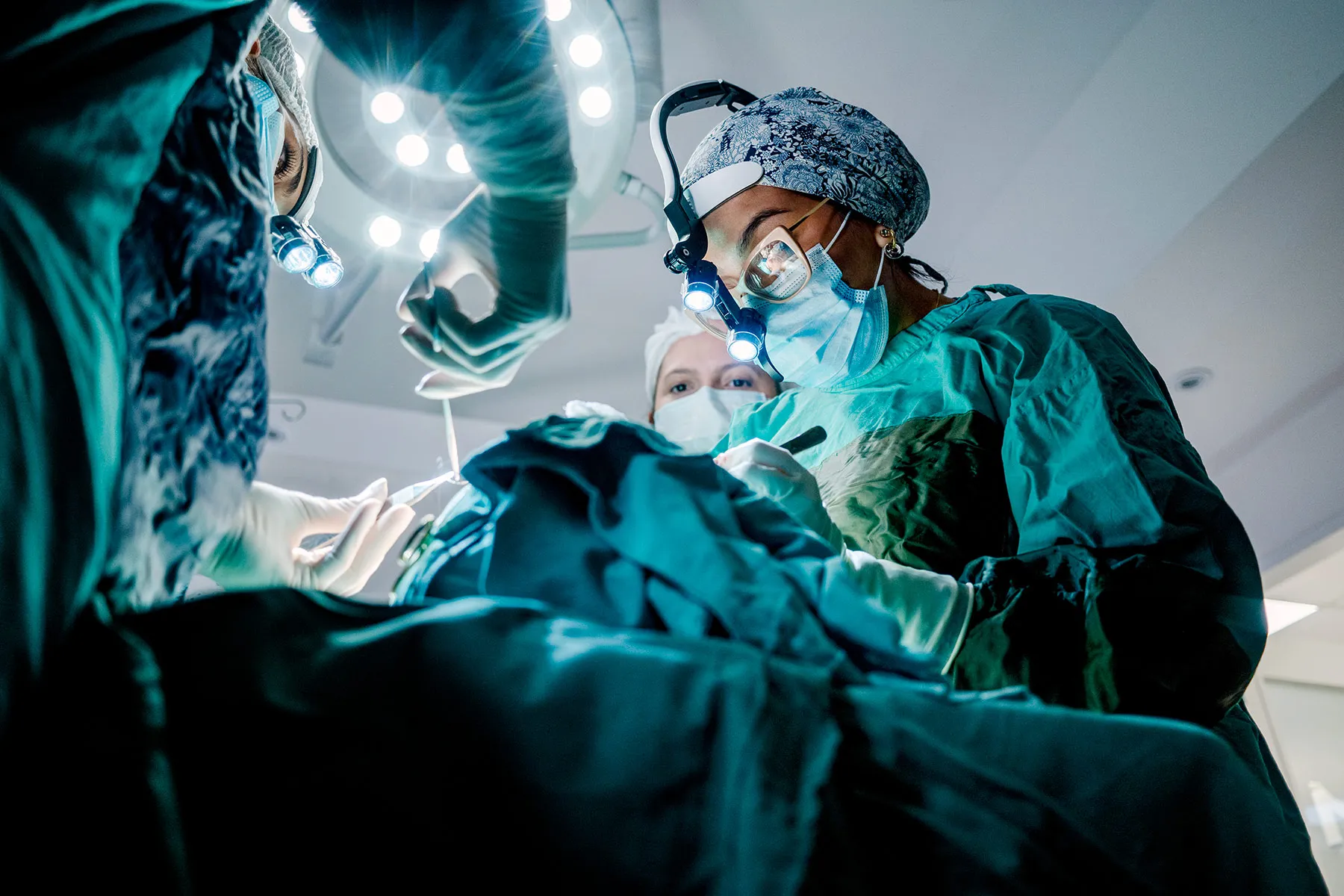
Surgery
Considered only in specific cases under specialist referral.
Why Choose The Sleeping Lab for Sleep Apnea Care
Choosing The Sleeping Lab for your Obstructive Sleep Apnea diagnosis and treatment means choosing a path to better sleep health and well-being. Here’s what sets our sleep clinic in Malaysia apart:
-
Focused on home sleep test and CPAP therapy
We specialise inn providing convenient home-based diagnostics and effective long-term support. -
Clear Explanations
We prioritise straightforward communication, ensuring you understand your condition without confusing medical jargon. -
Ongoing Support
We provide continuous assistance to support you through treatment comfortably and sustainably. -
Backed by The Listening Lab
Our services are supported by the expertise and reputation of our parent brand.
Frequently Asked Questions About Obstructive Sleep Apnea
Sleep apnea is typically diagnosed through a professional sleep apnea test, also known as a sleep study or polysomnography. The test, which can be done at a sleep clinic or at home with a portable kit, monitors various bodily functions during sleep to identify periods of stopped or shallow breathing.
Yes, Sleeping Lab provides a professional home sleep apnea test in Malaysia. Portable monitoring equipment allows for the recording of vital data, such as oxygen levels and heart rate, within your own bedroom.
Conducted over a single night, such assessments ensure that data reflects your natural sleep environment, helping specialists identify the underlying causes of your symptoms. Following the study, our experts analyse the results to develop a tailored treatment plan for Obstructive Sleep Apnea and manage sleep apnea effectively.
Although not all forms of sleep apnea can be completely cured, they can be effectively managed. The most effective approach involves a combination of lifestyle adjustments, such as weight loss and exercise, and medical treatments like CPAP therapy or custom-fitted oral appliances.
The most common and effective approach to treating sleep apnea is Continuous Positive Airway Pressure (CPAP) therapy. A CPAP machine delivers a constant stream of air to keep your airway open while you sleep.
Other effective options include oral appliances, surgery, and lifestyle changes, depending on the severity of your condition.
Pay attention to symptoms like loud snoring, pauses in your breathing while you sleep, gasping for air, and waking up with a dry mouth or headache. If you experience these signs or excessive daytime sleepiness, we recommend that you consult a sleep specialist in Malaysia or schedule a professional sleep apnea test.
While exercise and other lifestyle adjustments can significantly improve sleep apnea symptoms, they may not provide a complete cure for the condition in all cases. However, they can be very effective in managing mild to moderate Obstructive Sleep Apnea and are often recommended alongside other medical treatments.