
Many people view loud snoring as nothing more than a nighttime nuisance, but for millions, it signals Obstructive Sleep Apnea (OSA), a far more serious medical sleep disorder. OSA goes beyond simple snoring; it involves repeated pauses in breathing during the night, starving the body and brain of vital oxygen.
If left untreated, this chronic cycle of oxygen deprivation can have severe, far-reaching effects on your cardiovascular health, brain function and overall well-being. Therefore, to ensure effective treatment and to safeguard your overall health, it’s essential to recognise the signs and seek an early diagnosis.
Read on as we elaborate more on this common condition, including what problems it can further cause, what happens if it’s left untreated as well as the available treatment options and solutions.
Understanding Sleep Apnea
Obstructive sleep apnea is a common but serious condition where your upper airway becomes repeatedly blocked, causing brief, involuntary pauses in breathing while you sleep. This obstruction prevents oxygen from reaching your lungs, leading to fragmented sleep and systemic health problems.
Despite its seriousness, OSA is often undiagnosed because people mistake the symptoms for normal snoring or simply attribute chronic daytime fatigue to a busy lifestyle. Therefore, it’s crucial to note the differences between simple snoring and the breathing interruptions characteristic of sleep apnea:
- Simple Snoring: Snoring occurs when air flows past relaxed tissues in your throat, causing them to vibrate and create sound. It’s often harmless and continuous.
- Sleep Apnea: Unlike simple snoring, OSA involves a complete or partial collapse of the airway, resulting in silence as breathing stops entirely for ten seconds or more. This cessation of breathing is always followed by a gasp or choke as your body briefly wakes to resume airflow.
Impact on Heart Health
The repeated breathing pauses caused by sleep apnea place immense stress on your entire cardiovascular system every single night, potentially leading to:
- High Blood Pressure (Hypertension): The frequent, sudden drops in blood oxygen levels during apneic events force your body to release stress hormones. This causes your blood vessels to constrict, leading to chronically elevated blood pressure, or hypertension.
- Heart Disease: The constant strain and increased cardiac workload placed on the heart over time significantly raises the risk of developing various forms of heart disease.
- Arrhythmias (Irregular Heartbeats): The disruption in breathing and oxygenation disturbs the normal rhythm of the heart. This can lead to arrhythmias (irregular heartbeats), which increase the risk of cardiac events.
Collectively, this cycle of hypertension, low oxygen and chronic stress also causes individuals with obstructive sleep apnea to face a significantly heightened risk of life-threatening cardiovascular events such as a heart attack or stroke.
Impact on Brain Function
The nocturnal oxygen deprivation and fragmented rest caused by obstructive sleep apnea directly harms brain health and undermines cognitive function. This constant disruption can manifest in several key effects, including:
- Reduced Memory and Concentration: The inability to achieve deep, restorative sleep means the brain cannot properly consolidate memories or sustain sharp focus. This often leads to daily difficulties with retaining new information and staying attentive.
- Impaired Decision-Making and Problem-Solving: Chronic sleep deficiency impedes the brain’s highest-level functions (executive functions). This results in challenges when trying to process complex data, use sound judgment and execute problem-solving strategies.
- Mood Disorders: The continuous physiological stress resulting from oxygen instability and inadequate rest negatively impacts emotional stability. This commonly contributes to significant mood disorders like increased irritability, anxiety and depression.
Beyond these daily struggles, the prolonged cycle of disturbed and low-oxygen sleep carries a serious long-term risk: Research strongly indicates that poor sleep quality is correlated with the onset of neurodegenerative conditions, including dementia.
Impact on Overall Health
Ultimately, untreated sleep apnea creates systemic stress that affects virtually every aspect of your health. This includes:
- Chronic Fatigue and Reduced Quality of Life: The continuous fragmented sleep prevents deep rest, resulting in persistent daytime tiredness, low energy and a significant drop in overall well-being and life enjoyment.
- Weakened Immune System: The sustained physiological stress and sleep deprivation hinder the body’s ability to fight off illness. This leaves individuals more vulnerable to infections and prolonged recovery times.
- Increased Risk of Type 2 Diabetes: Sleep apnea interferes with the body’s metabolism and its ability to regulate blood sugar, raising the likelihood of developing or worsening Type 2 diabetes.
- Weight Gain and Metabolic Issues: Hormonal imbalances triggered by poor sleep can increase appetite and slow metabolism. This often leads to unexplained weight gain and other related metabolic issues.
The Hidden Danger: Why Sleep Apnea Often Goes Untreated
Despite the severity of obstructive sleep apnea, several factors contribute to it being frequently missed or ignored, such as:
- Lack of Awareness: Many individuals do not realise that persistent loud snoring, coupled with noticeable pauses in breathing and chronic daytime fatigue, are key medical warning signs. They often attribute these symptoms to simple tiredness or normal aging.
- Misconceptions About Snoring: A widespread misconception is that snoring is merely a benign annoyance. Because simple snoring is common, people fail to recognise that the critical difference lies in the breathing pauses that characterise sleep apnea.
- The Need for Proper Evaluation: Unlike many other medical conditions, sleep apnea cannot be self-diagnosed. It requires objective measurement of breathing patterns and oxygen levels through a professional sleep apnea test or sleep study, which many people delay seeking.
How to Treat Sleep Apnea
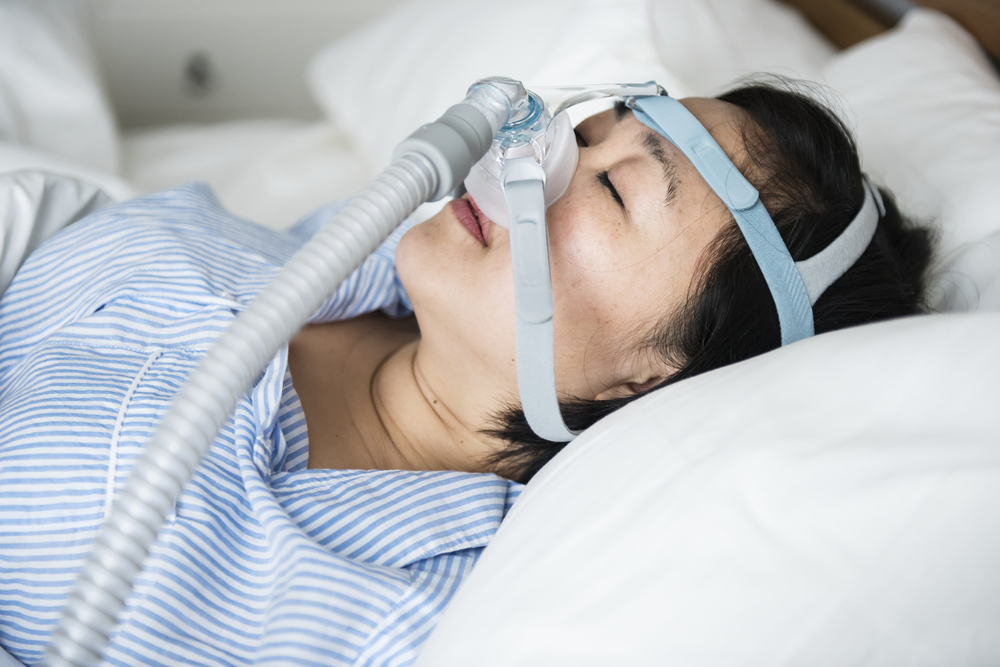
Fortunately, effective treatments are available that not only manage your breathing but also actively safeguard your cardiovascular and cognitive long-term health. These include:
- Continuous Positive Airway Pressure (CPAP) Therapy: This is the most common and effective treatment. A CPAP machine stabilises the airway, ensuring consistent oxygen levels throughout the night, which dramatically reduces strain on the heart and blood pressure.
- Oral Appliances and Positional Therapy: For mild to moderate sleep apnea, custom-fitted oral appliances can reposition the jaw or tongue, while positional therapy encourages sleeping on the side to prevent airway collapse.
- Lifestyle Changes: Simple lifestyle changes like weight management, strictly avoiding alcohol before sleep, and consistently improving your overall sleep hygiene can significantly reduce the severity of symptoms and enhance treatment success.
- Surgical Options: When other methods are insufficient or for specific anatomical issues, various surgical procedures are available to remove or reposition tissue in the airway to prevent severe obstruction.
However, effective management requires more than just equipment. It requires a personalised treatment plan from a sleep specialist. Consulting with experts — such as those found at Sleeping Lab — ensures your therapy is tailored precisely to your condition, lifestyle and overall health needs.
Take Action Before It’s Too Late
Given the severe health consequences that sleep apnea can lead to, it’s vital to emphasise the importance of early detection and immediate treatment for your long-term health. If you or your partner notice the persistent warning signs of sleep apnea, such as loud snoring, gasping, or chronic daytime fatigue, it’s crucial to be proactive. Ignoring these symptoms allows the cycle of oxygen deprivation to continue, increasing the likelihood of experiencing heart and brain health complications.
To secure the best defense and protect your heart, brain and overall health right now, consult with our experts at Sleeping Lab. Our dedicated sleep specialists in Malaysia provide the comprehensive evaluation required — including a professional sleep apnea test — to accurately diagnose your condition. To get started towards your journey of restorative sleep, book a consultation with us today!