If you’re just starting CPAP therapy, you might have a lot of questions, especially if you’ve just received a sleep apnea diagnosis and have never used a CPAP machine for sleep apnea before.
What will it feel like? Will sleep actually improve? How long does it take to adjust? This guide covers what new users typically experience, what common challenges look like, and how to make the most of the first 30 days of therapy.
Why CPAP Is the Gold Standard Treatment
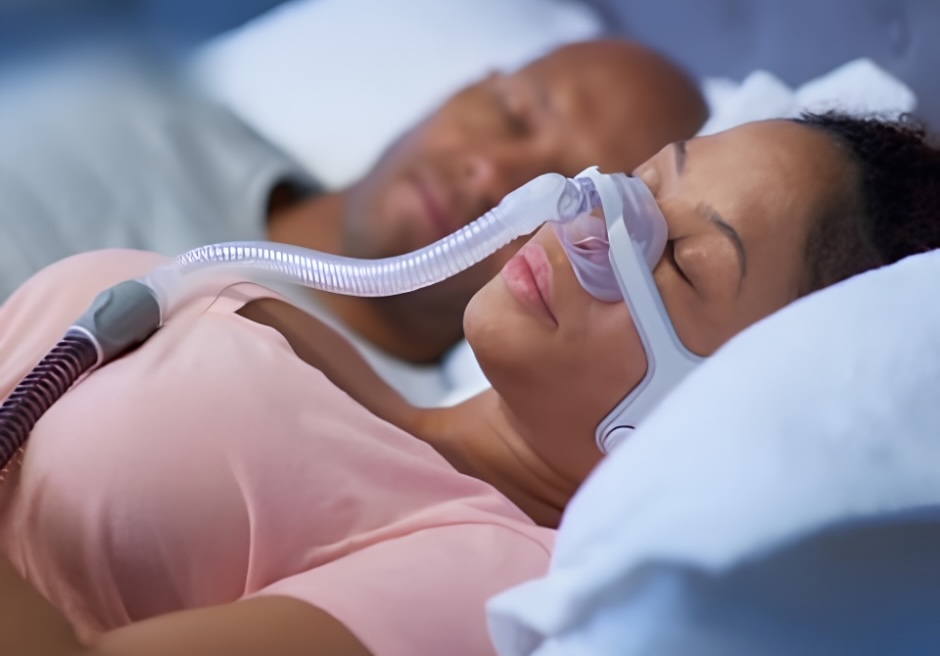
A CPAP (Continuous Positive Airway Pressure) machine delivers a steady stream of pressurised air through a mask, keeping the upper airway open throughout the night. When the airway stays open, breathing interruptions are significantly reduced, oxygen levels can stabilise, and sleep quality often improves.
It does not cure sleep apnea. It works as a long-term management tool that needs to be used consistently to remain effective. Think of it less like a course of antibiotics and more like wearing glasses: the benefit is real and immediate, but only as long as you use it.
Treating sleep apnea with CPAP is widely considered the first-line and most effective non-invasive approach for many people with moderate to severe obstructive sleep apnea. CPAP may also be recommended for mild OSA depending on symptoms and clinical needs. Unlike treatments that only address snoring or surface-level symptoms, CPAP targets the mechanical cause directly: airway collapse during sleep. Clinical evidence consistently links regular use to reduced cardiovascular strain, improved daytime alertness, and better overall sleep quality.
Getting Started: What Happens Before Your First Night
Before your first night with CPAP, you will need:
- A confirmed sleep apnea diagnosis: Diagnosis will be done after reviewing results from a sleep study, whether completed in a lab or at home. The study will determine the severity of your sleep apnea and the pressure settings required for your machine.
- A mask fitting session: This will determine the mask type and fit for your CPAP machine which will affect your comfort. Options include nasal masks, full-face masks, and nasal pillow masks, each suited to different breathing styles and face shapes.
- Device calibration: This includes setting the humidifier, adjusting the ramp function (which starts at a lower pressure and gradually increases to the target), and understanding how to clean and maintain the equipment.
Managing before and after CPAP machine expectations early helps. Most users do not experience a dramatic transformation overnight. Improvement is gradual and builds over the first few weeks as the body adjusts.
Night One: What New Users Usually Experience
The first night with CPAP can feel strange. That is normal and expected.
Common experiences on night one include:
- Unusual airflow sensation: Pressurised air feels different from normal breathing. The body is not accustomed to breathing with continuous positive pressure, so some people need time to breathe naturally with the airflow.
- Mask awareness: Feeling the straps, the seal against the skin, or noticing minor air leaks is common during early sleep cycles. This typically fades as the mask becomes familiar.
- Fragmented sleep: You might find yourself waking up in the middle of the night as your body adapts to sleeping with a CPAP machine. Sleep continuity tends to improve over the following days and weeks.
Understanding how CPAP works before that first night reduces the likelihood of abandoning therapy too early, which is one of the most common reasons CPAP does not produce results.
How CPAP Therapy Can Look Like During The First 30 Days
Adjustment follows a relatively predictable pattern across the first month.
|
Week |
What to Expect |
|
Week 1 |
Basic adaptation. You will find yourself being able to wear the CPAP mask for longer periods, getting used to airflow, and establishing a consistent bedtime routine with the device. |
|
Weeks 2–3 |
Noticeable improvements in energy, reduced snoring, and more stable breathing as the body settles into therapy. |
|
Week 4 |
Using a CPAP machine for sleep apnea becomes part of the nightly routine, with fewer disruptions and improved sleep consistency. |
Progress is not always linear. Some nights will feel better than others. What matters most during this period is consistent use, every night, including nights when it feels inconvenient or uncomfortable. Compliance during the adjustment phase determines how well therapy takes hold long-term.
Common CPAP Therapy Challenges and How to Manage Them
Sometimes, new users may report common CPAP machine side effects that can be fixed with a small adjustment. Some challenges you may encounter in your first month include:
- Mask discomfort or air leaks: These are usually caused by incorrect fit or strap tension rather than a faulty device. A nasal mask CPAP setup that fits well should seal without needing to be overtightened. If leaks persist, a different mask style or size is often the solution.
- Dryness and congestion: Dry mouth, nasal dryness, and throat irritation are common CPAP machine side effects, particularly when humidity settings are not calibrated correctly. Adjusting the heated humidifier and ensuring the mask fits without air leaking toward the eyes can resolve most of these issues.
- Pressure sensitivity: Some users struggle with the sensation of continuous airflow, particularly on the exhale. The ramp function, which gradually increases pressure from a lower starting point, helps ease this. Switching mask styles, particularly to nasal pillows for those who feel confined by a larger mask, is another option.
- Nasal congestion: Nasal blockage can make the use of a CPAP machine significantly harder. A nasal saline rinse before bed, a heated humidifier, or in some cases a chin strap to prevent mouth breathing can reduce congestion-related disruption overnight.
How CPAP Improves Sleep and Long-Term Health
Regular, consistent use of your CPAP machine will yield improved before and after results like:
- Restored stable breathing patterns: Stable breathing is one of the factors that enable deep, restorative sleep stages and prevents fragmented sleep.
- Improves daytime alertness, focus, and mood: By increasing time spent in the deeper sleep stages that the body needs to recover properly, you will find yourself with better energy during the day.
- Reduces long-term health risks: Better sleep will reduce health risks associated with untreated sleep apnea, including hypertension, cardiovascular strain, and metabolic disruption
When to Review or Adjust Your CPAP Therapy
CPAP therapy is not set-and-forget. It is an ongoing process which will require review at certain milestones, or when you notice some of these symptoms:
- Persistent fatigue or unrefreshed sleep despite regular use
- Ongoing mask discomfort that does not improve with basic adjustments
- Changes in body weight, nasal health, or sleep posture that may affect airway dynamics
- Data from the device showing continued high apnea events despite consistent use
Thankfully, most modern CPAP machines record detailed data for your sleep specialist to review while you sleep, including apnea events, leak rates, and pressure statistics. This allows your sleep specialist to fine-tune settings and address any ongoing issues.
Making CPAP Therapy Work for You
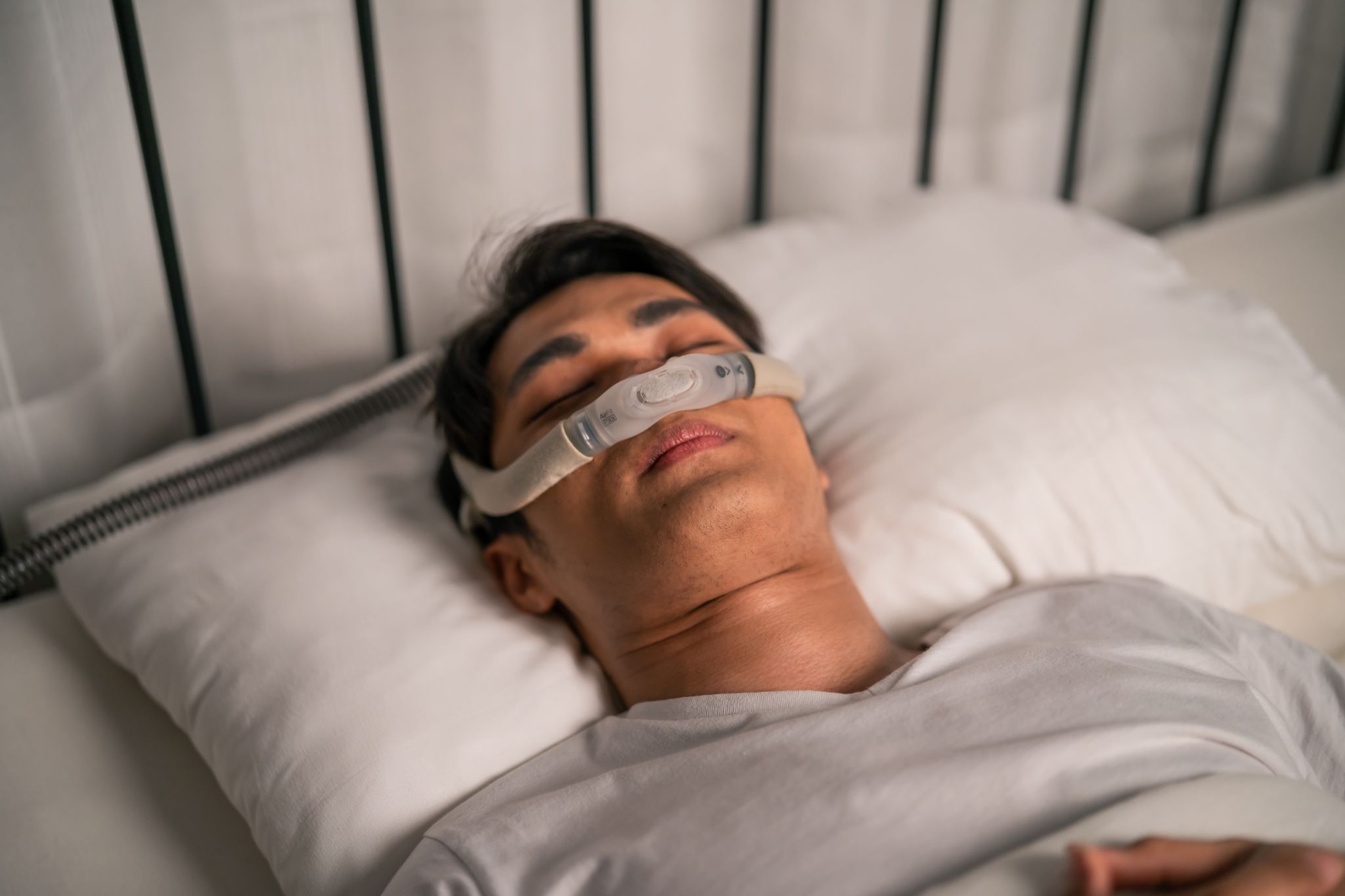
The first night with a CPAP machine can feel unfamiliar, but most users adjust within two to four weeks once the mask fit, pressure settings, and nightly routine are properly established. Small issues like mask discomfort, dryness, or air leaks are common and nearly always fixable with the right adjustments and support.
If you are starting CPAP or finding the adjustment difficult, speak to a sleep specialist at The Sleeping Lab. We provide personalised guidance on mask fitting, pressure settings, and ongoing CPAP therapy optimisation to help you get the most out of treatment from night one.