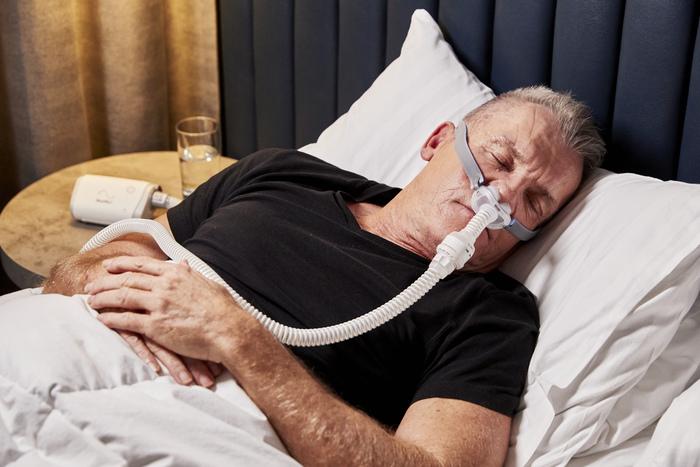
Most people focus on the CPAP machine itself, but the mask is one of the biggest factors determining whether therapy is comfortable and successful. An ill-fitting mask is one of the most common reasons people give up on treatment altogether.
There is no single best CPAP mask, only the one that suits your breathing pattern, sleep position, and comfort needs. This guide walks through the main CPAP mask types and offers a simple way to narrow down the right choice for you.
Why Your CPAP Mask Choice Makes or Breaks Your Therapy
A CPAP mask needs to form a secure seal so the machine can keep your airway open throughout the night. Leaks or an uncomfortable fit often lead to inconsistent use, which limits how well the therapy works over time.
Consistent nightly use is necessary to treat Obstructive Sleep Apnea, and comfort is what makes that consistency possible. As a result, the mask you choose matters just as much as the machine itself.
A well-fitted mask is a normal part of ongoing CPAP therapy, and the right fit can usually be found with proper professional guidance.
The Three Main CPAP Mask Types
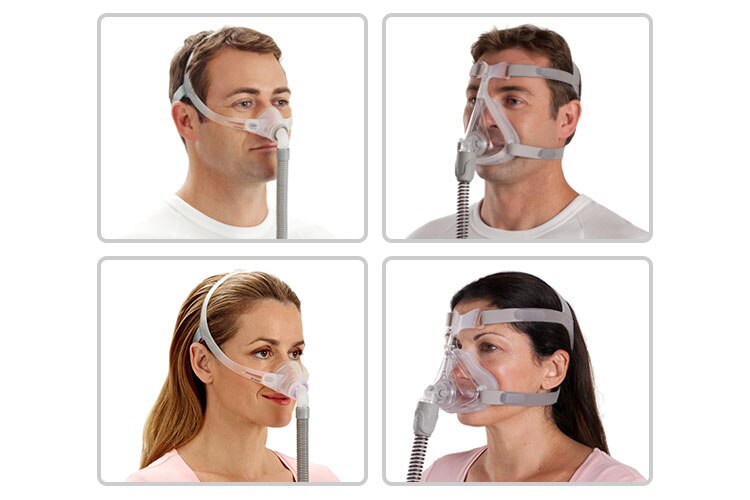
Most CPAP mask types fall into three broad categories, and each one suits a different kind of sleeper.
Nasal Masks
A nasal mask is a cushion that sits over the nose and delivers air through the nostrils. This style is often the first one recommended, especially for:
- Nose breathers
- Active sleepers who find full-face masks too bulky
However, nasal masks are less suitable for users with frequent nasal congestion. Mouth breathers may also need a chin strap to keep the seal effective through the night.
Nasal Pillow Masks
A nasal pillow mask is a lightweight, low-profile option that seals directly at the nostrils with minimal facial contact.
This design suits:
- Side and stomach sleepers
- People who feel claustrophobic
- Those with facial hair
- Glasses wearers
That said, users on very high pressure settings or with ongoing congestion may find this mask less suitable for regular use.
Full-Face CPAP Masks
A CPAP full-face mask covers both the nose and mouth. This makes it the standard choice for several groups:
- Mouth breathers
- People with nasal blockages
- Those on higher pressure settings
The design lets wearers breathe naturally through either the nose or mouth, so open-mouth sleepers still receive steady pressure all night.
However, the trade-off of this coverage is that some may initially find that the fuller facial contact feels more restrictive or claustrophobic.
How to Choose a CPAP Mask That Actually Fits Your Sleep
Before deciding, run through this short self-check to narrow down which CPAP mask type suits you best.
- Do you breathe mainly through your nose or mouth at night?
- Are you a side, stomach, or back sleeper?
- Do you feel restricted or claustrophobic easily?
- Do you have facial hair that could break the seal?
- Are you on a high prescribed pressure setting?
Answers that point to mouth breathing or high pressure settings lean toward a full-face mask. Meanwhile, if your answers favour comfort and freedom of movement, you might want to prioritise nasal or nasal pillow masks.
What Is the Most Comfortable CPAP Mask?
Comfort is personal, but many users find nasal pillow masks the most comfortable option, since they are light and barely touch the face. At the same time, other users may feel more secure with a nasal or full-face mask instead.
Ultimately, the most comfortable CPAP mask is the one that seals well and stays on comfortably enough to wear every night.
Find Your Right Fit With Sleeping Lab Malaysia
Choosing the right CPAP mask comes down to matching the type to your breathing pattern, sleep position, and comfort needs. This matters more than chasing a single best-selling product.
Trying a mask with hands-on fitting beats guessing from an online listing. Additionally, the right fit often needs some fine-tuning over the first few weeks of use.
If you’re unsure which mask suits you, or if you’re battling leaks and discomfort, reach out to The Sleeping Lab for guidance. Book a consultation with our sleep specialists for a proper mask fitting and ongoing aftercare support.