Image by yanalya on Magnific
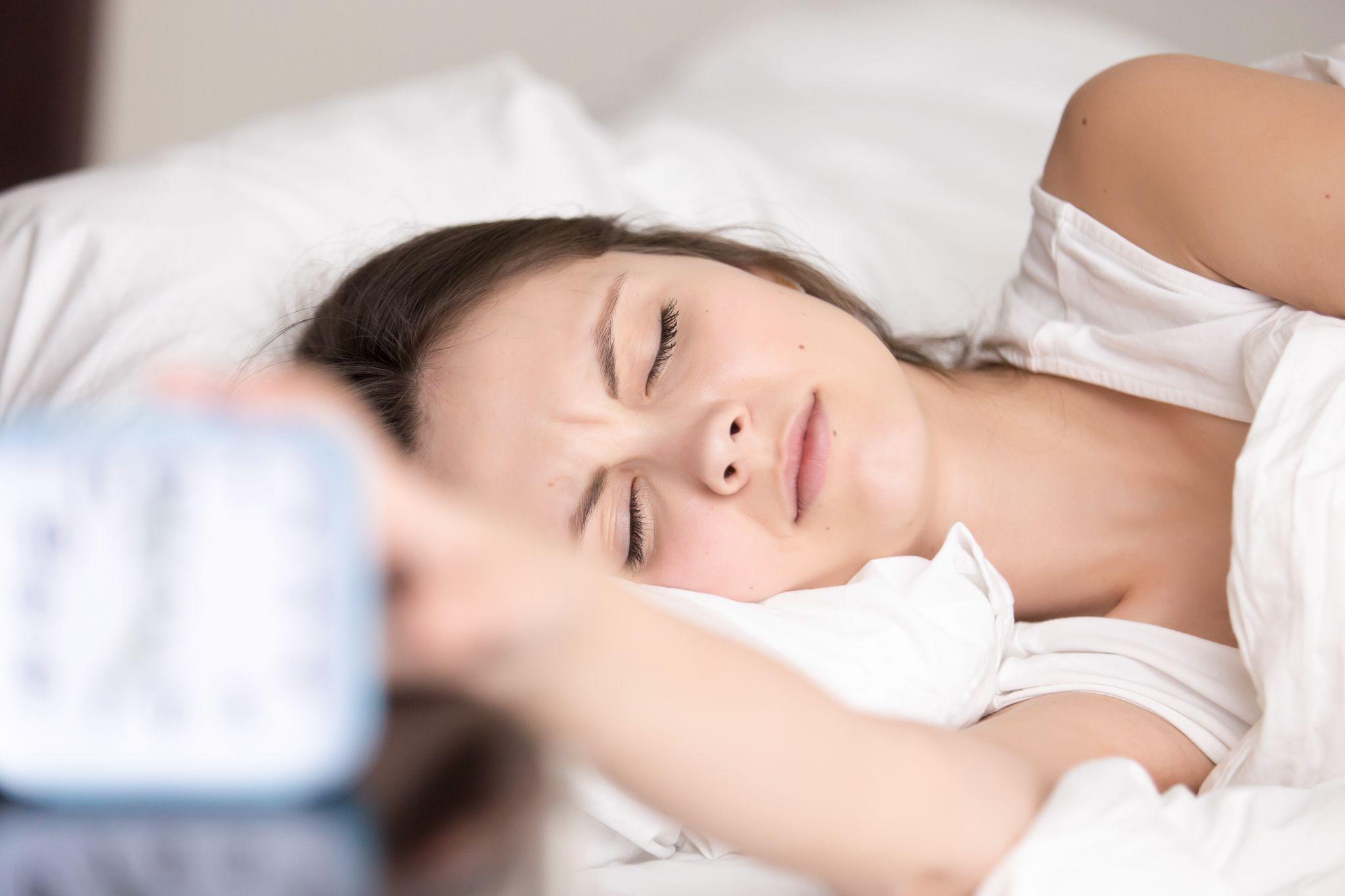
In many Malaysian households, snoring works as an informal test for sleep apnea. If no one complains about the noise, families assume the airway is fine. That assumption is wrong. It is entirely possible to have sleep apnea without snoring, and this misconception is one of the main reasons the condition goes undiagnosed for years in Malaysia.
Why Sleep Apnea Doesn’t Always Come with Snoring
Snoring and sleep apnea are not the same mechanism. Snoring is the sound of relaxed throat tissue vibrating as air passes through a narrowed airway. Sleep apnea is the airway partially or fully collapsing, cutting off airflow rather than just producing noise.
The two often overlap, but not always. Some airways narrow and collapse quietly, without the vibration that creates sound. Central sleep apnea adds another layer: the brain fails to signal the muscles that control breathing, so there is no obstruction to vibrate against at all.
Who Is Most Likely to Have Silent Sleep Apnea
Certain groups are more likely to have sleep apnea that produces little or no audible snoring, which makes it harder for anyone nearby to notice.
- Women: present more often with fatigue, insomnia, and low mood rather than loud snoring
- Thin or fit individuals: often assumed low risk based on body weight alone
- Side sleepers: sleeping position reduces snoring but not airway obstruction
- Shift workers and solo sleepers: no partner present to notice breathing changes at night
- Couples in separate rooms: a common arrangement in Malaysian households with young children, a snoring partner, or mismatched shift patterns
Asian craniofacial structure means sleep apnea can develop at a lower body weight and with less audible snoring than Western stereotypes suggest. That is particularly relevant for Malaysian readers who may not fit the image of an overweight, middle-aged man, since it is possible to have sleep apnea even without obvious risk factors.
Signs of Sleep Apnea Beyond Snoring
Without loud snoring to raise the alarm, these signs are usually what surface first.
- Waking up gasping, choking, or coughing
- Morning headaches that fade within an hour of getting up
- Persistent daytime fatigue despite a full night in bed
- Brain fog, poor concentration, or memory lapses at work
- Mood changes, low mood, or unexplained irritability
- Frequent nighttime urination with no urological explanation
A tongue that looks scalloped or indented along its edges is another physical sign worth noting, often the result of the tongue pressing against the teeth as the airway narrows overnight. A cluster of these symptoms, particularly a morning headache paired with daytime fatigue, is worth raising with a specialist even if no one at home has ever mentioned snoring.
How to Confirm Whether You Have Sleep Apnea
Symptoms point in a direction, but cannot confirm a diagnosis on their own. A sleep study remains the only reliable way to establish whether sleep apnea is present.
In Malaysia, home sleep tests offered directly through private clinics make a sleep apnea test far more accessible than the full referral chain of GP to ENT to sleep study. The test records breathing patterns and oxygen levels directly, so silent sleepers stand on equal footing with loud ones for diagnosis.
Once a diagnosis is confirmed, treating sleep apnea can range from lifestyle adjustments to devices that keep the airway open overnight. For moderate to severe cases, you might want to consider a CPAP machine, particularly where symptoms are affecting daytime function or long-term health.
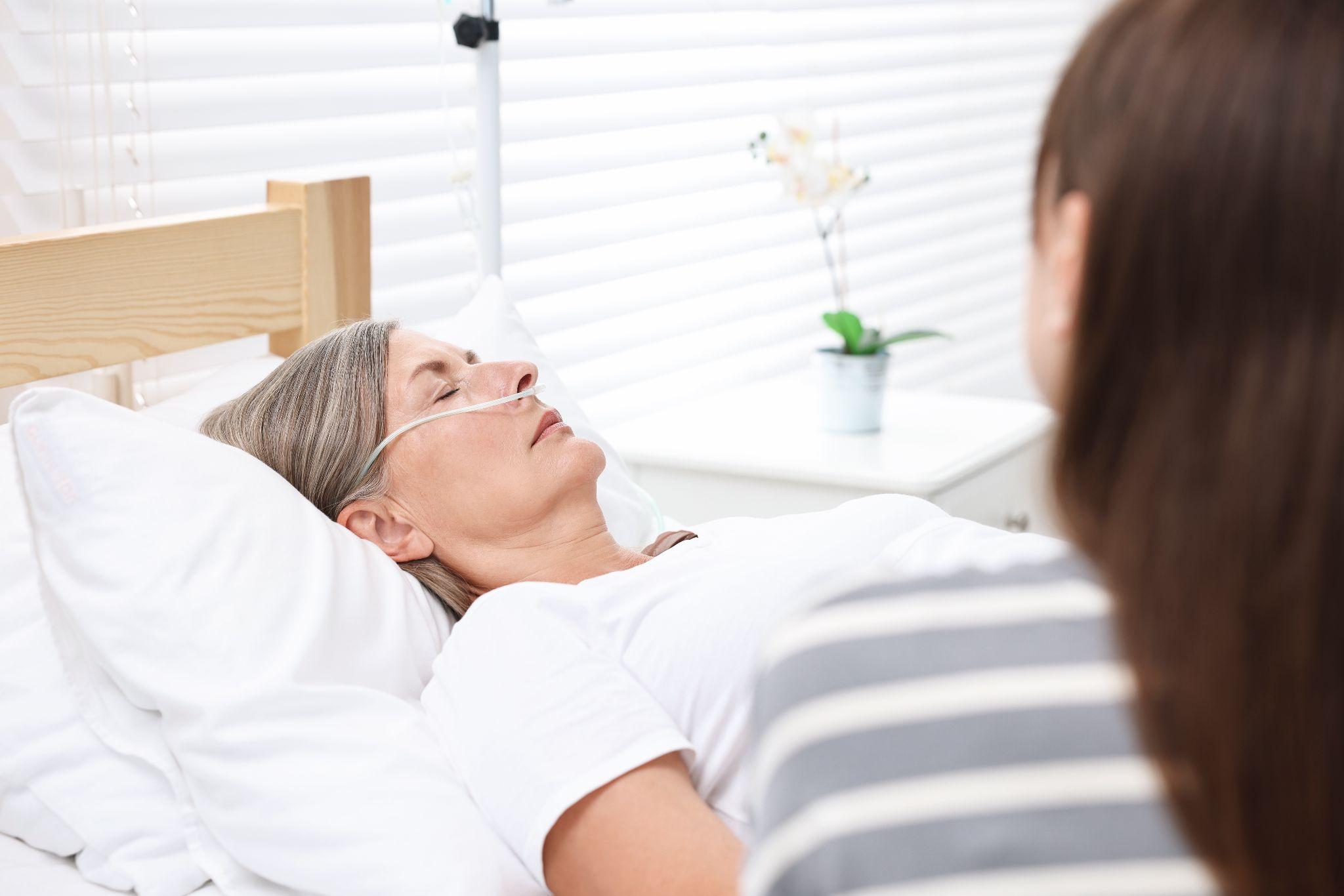
Image by New Africa on Magnific
If you experience persistent fatigue, morning headaches, or unrefreshing sleep, whether you snore or not, a sleep study in Malaysia can provide answers a symptom checklist cannot. Booking a home sleep test with Sleeping Lab Malaysia is a practical first step toward finding out what is actually happening while you sleep.