Many Malaysians diagnosed with mild or moderate sleep apnea often hesitate at the idea of CPAP therapy. It’s natural to wonder whether a machine is truly necessary or if poor sleep quality can be managed without intervention.
The truth usually comes down to two core factors. Your AHI score, the data that measures breathing interruptions, and your daytime symptoms, which reflect how sleep apnea is affecting your daily life.
What is the AHI Score
The Apnea-Hypopnea Index (AHI) is a standard metric used to quantify sleep apnea severity. It measures how many times you stop breathing or experience shallow breathing per hour of sleep. Understanding this number helps clinicians determine the appropriate treatment path.
A person’s AHI score is determined through a sleep apnea test, which monitors your breathing patterns, airflow, oxygen levels, and heart rate while you sleep. The test records how often airflow is interrupted during the night, allowing specialists to calculate how many breathing disruptions occur per hour. This data helps determine whether you have mild or severe sleep apnea and whether treatments such as CPAP therapy should be recommended.
- Mild (5–15 events per hour): CPAP therapy is optional but often recommended if symptoms are present. Some individuals with a lower AHI score still experience significant fatigue or concentration problems, making treatment worthwhile.
- Moderate (15–30 events per hour): CPAP is strongly recommended. At this stage, breathing interruptions occur frequently enough to increase strain on the heart and blood vessels. Without treatment, the risk of cardiovascular complications rises.
- Severe (30+ events per hour): CPAP is almost always necessary. Frequent oxygen drops during the night can endanger long-term health, increasing the likelihood of hypertension, stroke, and heart disease.
The numbers from a sleep apnea test provide a clear benchmark, but they are only part of the story. Some individuals with a relatively low AHI score still feel profoundly exhausted, while others with higher scores report fewer symptoms. This is why clinical decisions must also consider how sleep apnea affects quality of life.

Listen to Your Body: Daytime Effects of Poor Sleep That Warrant Treatment
Quality of life often tells a more meaningful story than numbers alone. A person with mild sleep apnea might feel worse than someone with a severe diagnosis, depending on how sensitive their body is to oxygen fluctuations.
Certain red flag symptoms suggest CPAP therapy could be beneficial, regardless of AHI score:
- Microsleeps While Driving: Brief, uncontrollable sleep episodes during traffic jams or long highway drives can be extremely dangerous. In Malaysia’s congested roads, even a few seconds of lost alertness can significantly increase the risk of accidents.
- Resistant Hypertension: Blood pressure that remains high despite medication may indicate that the heart is under stress from repeated oxygen drops during sleep.
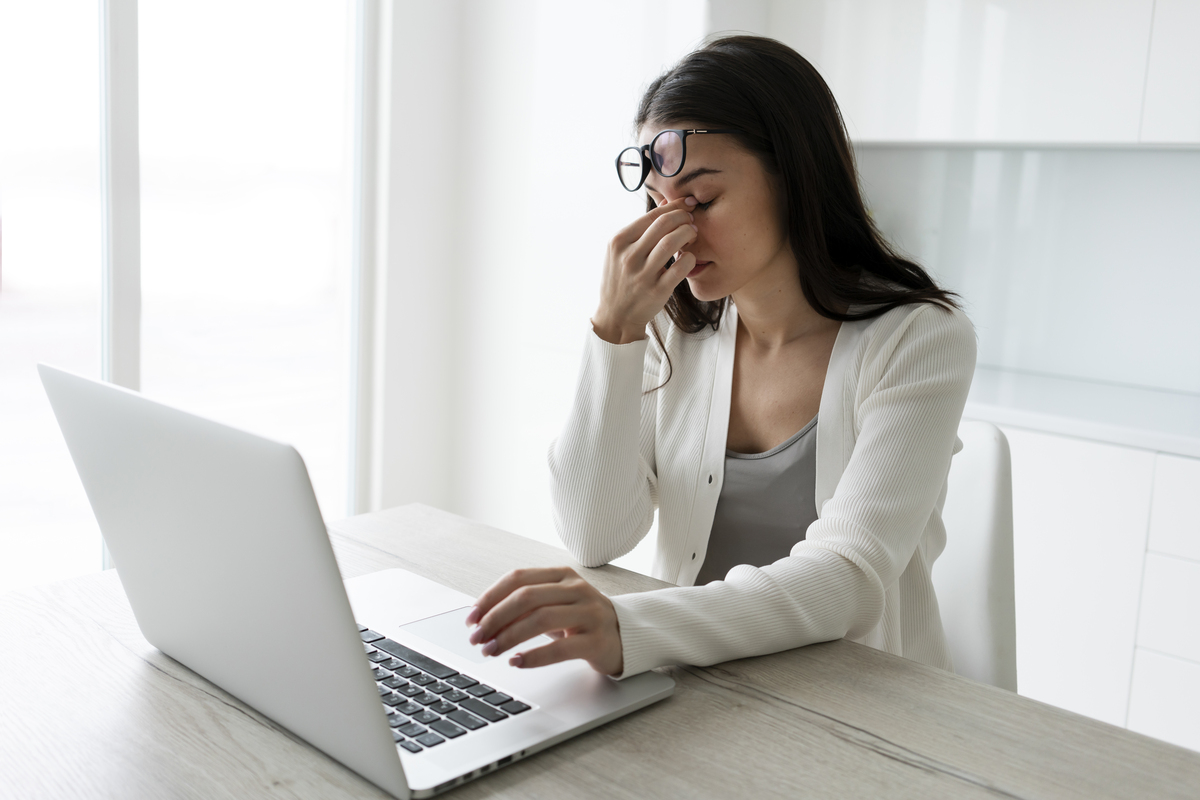
- Morning Headaches and Brain Fog: Waking up with a dull headache or struggling to concentrate during the day often signals that the brain was deprived of oxygen overnight. These symptoms reflect disrupted rest and poor sleep quality, which can affect work performance, mood, and overall well-being.
The key takeaway is that symptoms matter. Even if your AHI score falls within the mild range, persistent daytime problems suggest treatment could significantly improve your health.
Check If You Need CPAP Therapy with Specialists
The decision to use CPAP therapy depends on a combination of objective data and personal experience. A moderate or severe AHI score often signals the need for treatment, but even milder cases can warrant intervention when symptoms are disruptive.
Untreated sleep apnea rarely improves on its own. In many cases, mild conditions progress over time, becoming more severe and increasing health risks. CPAP therapy is not merely about comfort, it is about protecting long-term health and improving daily functioning.
If you are unsure about the severity of your sleep apnea, a Home sleep test in Malaysia provides valuable insights. By gathering accurate data in the comfort of your own home, you can make informed decisions about treatment. Specialists can interpret the results and recommend appropriate solutions, whether that involves CPAP therapy or alternative approaches.
For Malaysians seeking clarity, a professional evaluation at Sleeping Lab is the first step toward better sleep and improved health. If symptoms are affecting your quality of life, book an appointment with our specialists today to explore your diagnostic options.
Understanding your condition is the key to taking control of your well-being and making informed choices that support healthier nights and more energetic days.