
If you’ve ever come across a mattress advertisement promising to ‘cure’ your snoring, you’re not alone in wondering whether there is any truth to it.
The short answer is that no mattress can fix snoring caused by a physical blockage in the throat, which is a defining characteristic of Obstructive Sleep Apnea (OSA).
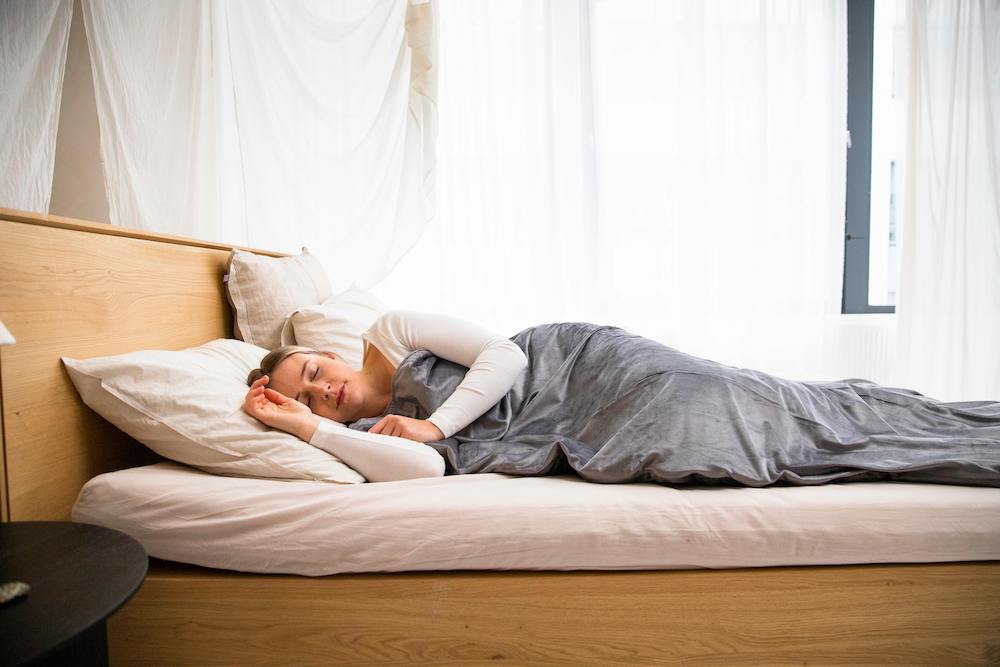
However, the right mattress can support a better sleep position, and that is one of the most effective lifestyle adjustments you can make to manage OSA.
How Mattress Firmness Affects Your Airway
Among the many types of mattresses available, firmness is the factor most likely to influence your breathing at night. Here is how each end of the spectrum affects your airway:
- Soft Mattresses: When your hips sink too deeply into the mattress, your spine curves and your head tilts forward towards your chest, ‘kinking’ the windpipe and restricting airflow.
- Hard Mattresses: Excessive firmness creates pressure on the shoulders and hips during side-sleeping, which can cause you to roll onto your back. This position is most likely to worsen OSA as it allows gravity to pull your tongue backward.
The ideal mattress firmness sits in the middle. A medium-firm mattress provides enough support to keep your spine aligned, while still allowing your shoulders to sink in slightly. This balance makes it easier to maintain a comfortable side-sleeping position throughout the night.
Is an Adjustable Bed Base Better for Sleep Apnea?
If you snore heavily or have been diagnosed with OSA, it’s worth considering an adjustable bed base. Unlike a standard bed frame, it allows you to raise the head of the bed to a customised angle.
When your upper body is elevated by 10 to 20 degrees, gravity is less likely to pull your tongue backward into your throat, which is one of the primary causes of airway obstruction during sleep.
This makes it a particularly useful option for back-sleepers who find side-sleeping uncomfortable, allowing them to manage their OSA symptoms without having to change their preferred sleep position entirely.
How to Choose a Mattress and Bed for Sleep Apnea: More Tips
Keep these additional considerations in mind to prioritise airway support and comfort in your sleep setup:
- Opt for a medium-firm mattress: This level of firmness keeps your spine aligned during side-sleeping, reducing the risk of airway compression throughout the night. Alternatively, an adjustable bed base can help you reduce airway obstruction while back-sleeping.
- Test for pressure relief: Ensure adequate cushioning at the shoulders and hips to make side-sleeping sustainable and discourage you from rolling onto your back.
- Prioritise motion isolation if sharing a bed: A mattress that absorbs movement prevents a restless partner from inadvertently disrupting your sleep position during the night.
- Choose a supportive pillow: Opt for a pillow that keeps your head and neck aligned, such as a wedge or contour pillow.
Sleep Better with Sleeping Lab
The right mattress and bed base can potentially support your sleep apnea management, but for more serious cases, they are unlikely to be a lasting solution on their own. Therefore, if you’re still waking up exhausted despite upgrading your bedroom setup, it may be time to explore more targeted options.
As a dedicated sleep clinic in Malaysia, Sleeping Lab is experienced in treating sleep apnea through clinically proven approaches like CPAP therapy, which keeps the airway open during sleep. Our specialists will first seek to understand your sleep concerns before recommending a personalised plan to improve your quality of sleep.
Take the first step towards better rest. Book a home sleep test with us today!